
Ebola has reached Europe for the first time in this outbreak, and airlines have started cancelling flights to and from parts of Africa.
If you are flying to, through, or home from East or Central Africa this summer, this is the story you want to understand before you travel.
A doctor flew into Paris from Kinshasa, tested positive days later, and now health agencies are tightening screening while carriers reshuffle schedules.
The Key Facts
- First case in Europe a doctor returning from DR Congo tested positive in France on 24 June.
- Over 1,150 confirmed cases recorded in DR Congo, with more than 300 deaths.
- Flights cancelled KLM paused some Entebbe and Kinshasa services into early July.
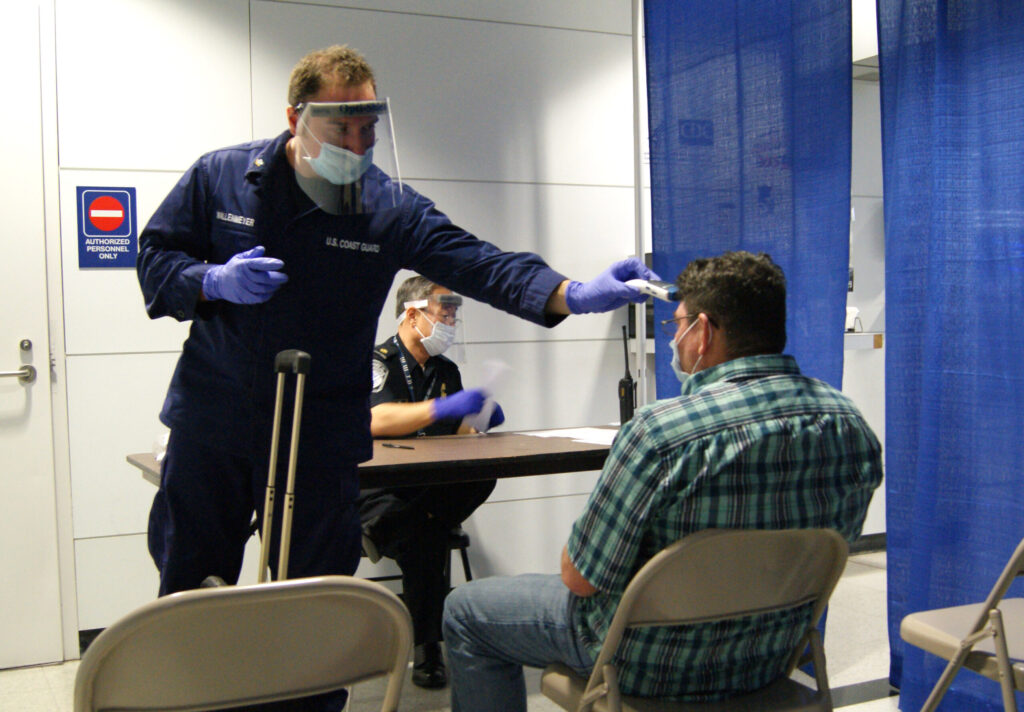
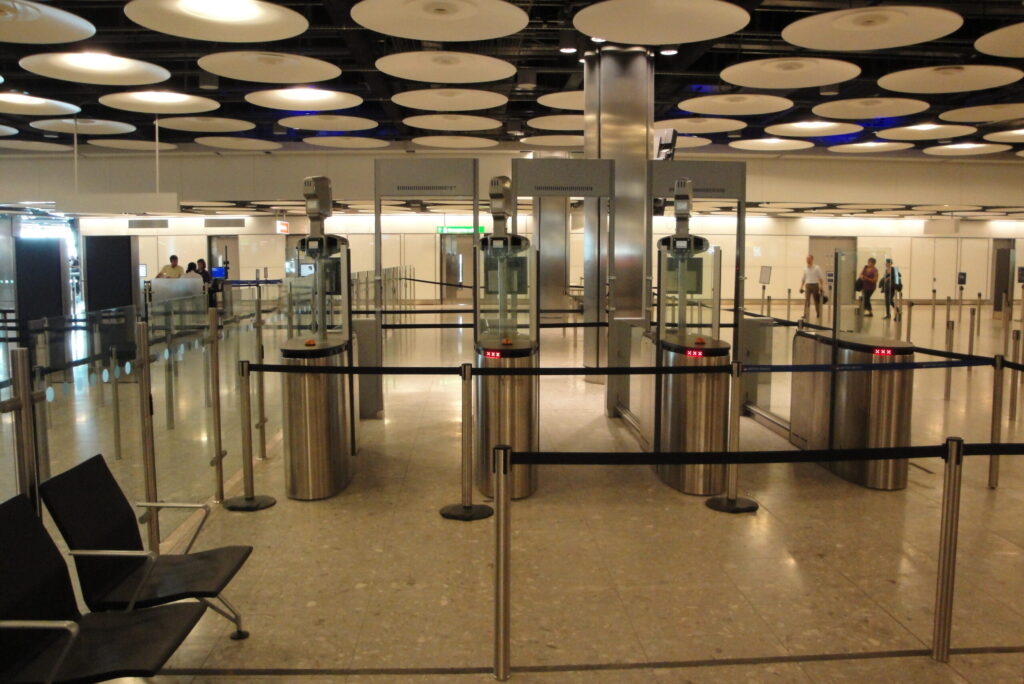
- UK border screening returning workers face health checks and 21-day self-monitoring.
- Insurance risk travel against FCDO advice can leave you uncovered.
What Is Actually Happening
DR Congo declared its 17th Ebola outbreak on 15 May, caused by the rarer Bundibugyo strain, which has no approved vaccine or treatment.
By 25 June the DRC Ministry of Health reported 1,155 confirmed cases and 304 deaths, making this one of the largest Ebola outbreaks on record.
Uganda has recorded a smaller cluster, with around 20 confirmed cases linked to travel from DR Congo, most of them in the capital, Kampala.
The moment that changed the travel picture came on 24 June, when France confirmed a doctor who had worked in DR Congo had tested positive after flying home.
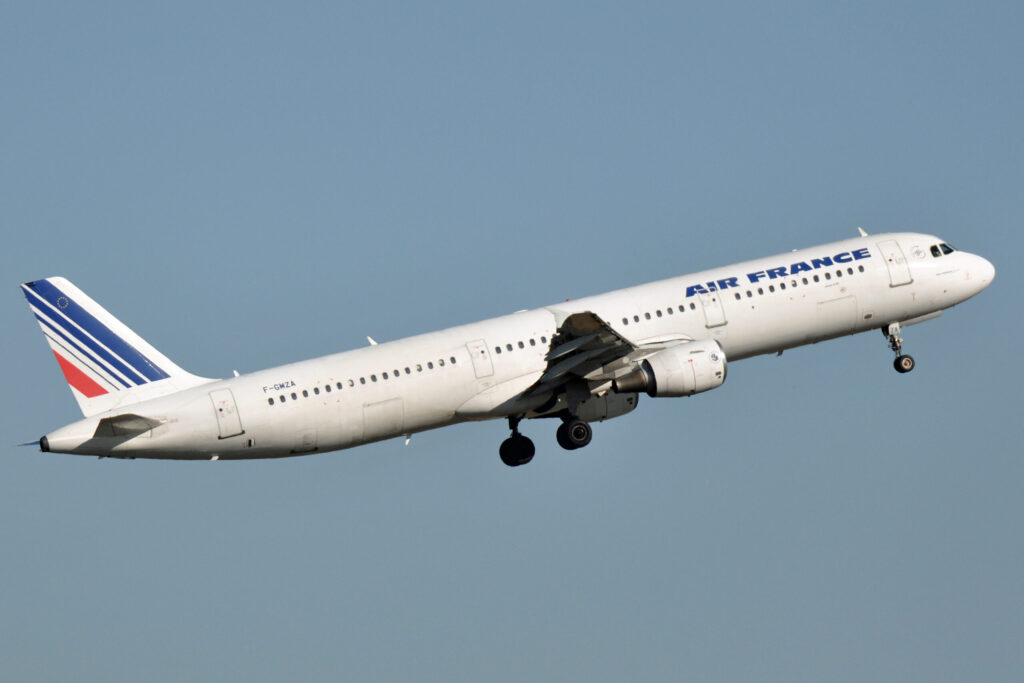
The patient boarded a commercial Air France flight from Kinshasa, arrived in Paris almost without symptoms, and was isolated on landing. Air France said it gave the passenger list to the authorities.
The ECDC called it the first imported case in Europe since the outbreak began, while stressing that the risk of it spreading within Europe stays very low.
On the ground, the disruption is real. Uganda closed its border with DR Congo on 27 May, and Congolese authorities suspended flights to and from the worst-hit town of Bunia.
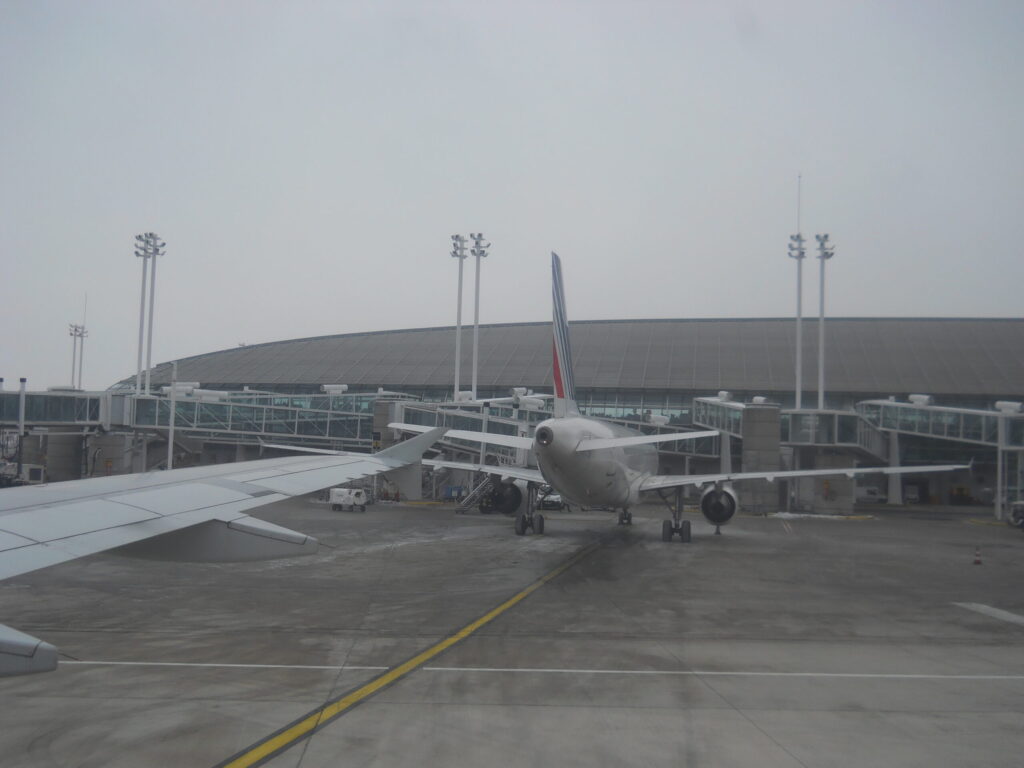
Several carriers have since trimmed schedules. KLM paused flights to and from Entebbe up to and including 1 July, and warned of disruption around Kinshasa.
What Travellers Are Saying Right Now
For anyone with a trip booked, the worry is less about catching Ebola and more about being caught out by screening, quarantine and cancelled connections.
They explained they were a Ugandan permanent resident, currently in Ghana, who went into a 21-day quarantine on 28 May before being allowed to travel on.
Comment from r/Uganda
by u/Left-Satisfaction630 in r/Uganda
He said the epidemic in DR Congo and Uganda amounted to a public health emergency of international concern under the international health rules.
The Ebola epidemic caused by Bundibugyo virus in DRC and Uganda has been determined a public health emergency of international concern.
— Tedros Adhanom Ghebreyesus (@DrTedros) May 16, 2026
“Most tourism areas in Uganda and Rwanda remain open and far from the outbreak zone, but travellers should expect more health checks and stay in close contact with their operator.”
Next Gen Safaris — Ebola travel advice, May 2026
What You Can Actually Do
If your trip touches DR Congo, Uganda, or a neighbouring country, a few practical steps will save you a lot of stress at the airport.
- Check FCDO advice first. Read the live gov.uk pages for DR Congo and Uganda before you book or fly, as the advice is being updated regularly.
- Confirm your flight is operating. Carriers including KLM have paused some routes. Check your specific flight status before heading to the airport.
- Expect screening and monitoring. Returning health and humanitarian workers may face health checks and a 21-day self-monitoring period after arrival.
- Build in extra time. Border closures and rerouting mean connections through the region can take far longer than scheduled.
- Keep documents handy. Carry your passport, any health forms and your operator’s contact details where you can reach them quickly.
What You Are Owed If Your Trip Is Affected
There is no single Ebola payout, so what you can claim depends on how you booked and what exactly went wrong with your trip.
Where You Stand on a Cancelled Trip
If your airline cancels your flight, you are entitled to a full refund or a re-routing under UK261, whichever you choose.
This covers the cancelled flight itself. It does not pay out for a trip you decide to cancel yourself.
The routes to getting money back break down like this:
- Airline cancels your flight: under UK261 you can take a full refund or a re-route, and the airline must offer care while you wait.
- You booked a package: if the trip can no longer go ahead as sold, the Package Travel Regulations 2018 and ATOL protection may entitle you to a refund. Speak to your operator first.
- You choose to cancel a flight that is still operating: there is no automatic refund. Your travel insurance is the only likely route, and only if your policy covers it.
- You travel against FCDO advice: your insurance is very likely invalid, leaving you to cover any losses yourself.
If you are unsure, contact your airline or operator and your insurer directly, and get any decision in writing before you rebook or cancel anything.
Health agencies stress that the risk to ordinary travellers remains low, and most trips to the wider region are continuing. The smart move is simply to check, not to panic. You can read the latest UK guidance on the FCDO Uganda travel advice page.