Travel Safety Information
- Updated
- 30 October 2026
Our World Travel Safety Score utilises the UK government’s official Foreign, Commonwealth & Development Office (FCDO) travel advice into something you can rely on: a world map and fully searchable table ranking every country from safest to most dangerous for tourism and travelling.
The Travel Safety Score is derived directly from current FCDO foreign travel advice and weighs the things that matter to a visitor in a foreign country including:
- FCDO Orange & Red Travels Zones
- Real-World Risks
- Personal Safety
- Serious crime
- Terrorism
- Health Service Availability
- Natural Disasters
- Scams
- LGBT & Women Restrictive Laws
- Consulart Support
- Communication Coverage
See how safe every country is for tourists with the World Travel Safety Score. A clear, colour-coded map and table built from the latest FCDO travel advice. Check before you travel for the safest and most dangerous countries to visit.
For more information and how the scoring works please read:
Travel Safety Score Press Release
Travel Safety Report
- Updated
- 30 October 2026
- Safe / generally safe68%(153)
- Take care / high caution17%(38)
- Dangerous / do not travel15%(35)
The latest travel safety report…
Twenty-four countries are off the table completely in this update, carrying our Do not travel rating because the Foreign Office advises against all or most travel to them. The bottom of the table reads like a roll call of the world’s active crises: Afghanistan, Syria, Sudan, Mali, Libya, South Sudan and Yemen sit at the very foot, alongside Russia and Ukraine, where the war shows no sign of easing, and Haiti, where gang control has pulled the state apart. The Middle East is still the single biggest driver of red on the map. The Foreign Office has kept its region-wide warning in place and calls the situation there deeply unpredictable, which keeps Iran, Iraq, Lebanon and the Palestinian territories firmly in the danger zone.
One rung up, Ecuador, Papua New Guinea and Western Sahara have slipped into our Dangerous, only if necessary band, and a run of familiar names now sit in the mid-table caution bands: South Africa, Mexico, Brazil, Turkey, Morocco, Peru and Indonesia among them. None of that is down to a single dramatic headline. It is the everyday stuff the Foreign Office spells out on these pages, high city crime rates, drink spiking and spiked-drink assaults, protests that can turn violent at short notice, and real risks to women travelling alone. This refresh grades every one of those conduct warnings in full, so a fair few places that looked quieter in our last run now carry the marks their advice always justified. Think of it as a sharper read rather than a sudden slide.
It is not all one way. Indonesia is the stand-out mover in the opposite direction, with the Foreign Office lifting its long-running warnings around the country’s volcanoes and dropping the old advice against travel to Papua, so Bali, Java and Lombok are back to normal precautions for most trips. At the safe end nothing much has shifted. Iceland, Japan, Singapore, Ireland and the Nordic countries still score top marks for UK visitors, and the overwhelming majority of the world stays open: 153 countries land in our two green bands. The takeaway is the one we always come back to, which is to plan properly and check the detail for your exact region, not to cancel the trip.
Travel Summary: 30 October 2026
Scores are our interpretation of FCDO advice for UK travellers and are a dated snapshot, not live advice. Always check government advice from your country of origin before travelling.
Travel Safety Map
- Updated
- 30 October 2026
Scores are our interpretation of FCDO advice for UK travellers and are a dated snapshot, not live advice. Always check government advice from your country of origin before travelling.
Travel Safety Scores
- Updated
- 30 October 2026
| Rank | Country | Score | Guidance |
|---|
No countries match that search.
Scores are our interpretation of FCDO advice for UK travellers and are a dated snapshot, not live advice. Always check government advice from your country of origin before travelling.
How does it work?
What is the GT Travel Safety Score?
It’s our travel safety ranking for every country in the world, built for UK tourists. Each country starts on 100 points and loses points for real dangers listed in official government travel advice. The higher the score, the safer the country is to visit. Use it to compare holiday destinations at a glance and see which are the safest countries to travel to right now.
Where does the safety data come from?
Everything comes from official FCDO travel advice on gov.uk. That’s the UK Foreign Office, the same advice travel insurers use. We never score a country from news stories or reputation. If it’s not in the official travel advice, it doesn’t change the score.
How is the safety score worked out?
Two things lower a country’s score. First, no-go areas: if the Foreign Office advises against travel to part or all of a country, we take off points based on how much of the country is affected. Second, everyday travel risks: violent crime, terrorism, drink spiking, scams, poor hospitals, and extra risks for women or LGBT travellers. Serious dangers cost more points than small ones like pickpocketing.
What is the traveller score?
The traveller score is the number that matters most for tourists. It asks a simple question: is the danger where holidaymakers actually go? If the trouble is in a remote region far from the beaches and cities tourists visit, the traveller score stays kinder. If the risk covers the main tourist areas, the score drops hard. The traveller score sets each country’s colour and its place in the safety rankings.
What do the colours mean?
Green means safe to visit with normal care. Yellow means take real care, usually because of crime in tourist areas. Orange means high caution. Red means we’d only travel there if we really had to. The darkest band is do not travel, for countries the Foreign Office rules out completely.
Why does a popular holiday destination have a low safety score?
Nearly always crime. Some famous holiday spots have official warnings about high levels of violent crime, and because that crime reaches hotels, resorts and city centres, the traveller score drops. It doesn’t mean cancel your holiday. It means read the advice, learn which areas to avoid, and be more careful than you would at home.
Is it safe to book a trip to a yellow or orange country?
Often, yes. The score is a comparison tool, not a travel ban. Millions of British tourists visit yellow and orange countries every year and have a great holiday. A lower score simply means the destination needs more homework: check the official travel advice, know the risky areas, and sort good travel insurance before you go.
Is this official government travel advice?
No. The facts behind every score come straight from FCDO travel advice, and we link to the official page for every country. But the scoring, colours and rankings are our own work. Always check gov.uk before you book or fly, especially for entry rules and safety updates.
How often is the travel safety ranking updated?
The ranking is a dated snapshot, and you can see the date next to the data. Government travel advice can change overnight, so we refresh the full ranking regularly. If big news breaks between updates, always trust the live gov.uk travel advice first.
How many countries are ranked?
Around 226 countries and territories, which is everywhere the UK government publishes travel advice. A few small territories share one advice page, so they show in the safety table but not always on the world map. If we can’t check a country’s advice, we mark it as not scored rather than guess.
Travel News
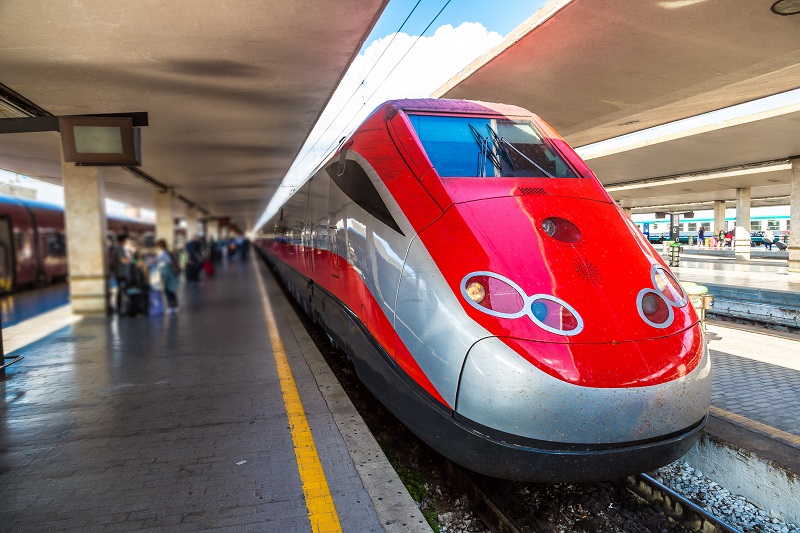
Italy’s Trenitalia Is Striking Overnight on 7-8 September. Check Your Train Now.
A national Trenitalia strike runs from Monday evening 7 September to Tuesday evening 8 September 2026. Frecciarossa, Intercity and regional trains are all at risk.

easyJet Ends 16 Years at Leeds Bradford. Here Is What Your Options Are Now.
easyJet pulls every flight from Leeds Bradford after January 5, 2027. Jet2 and Ryanair launch rival deals for displaced passengers.