
The FAA has ordered a Boeing 737 MAX inspection across 471 US-registered jets, checking for cracks in a fuselage reinforcement near the forward galley door. The regulator finalised the order, its docket numbered 2026-15936, on 6 August, and it takes effect on 10 September 2026.
If you have a Ryanair or TUI flight booked out of a UK airport this autumn, this is the story you will have seen flash past under a worrying headline about “cracks” on the MAX. The reassuring detail is the one most of those headlines buried.
No cracks have been found on a single 737 MAX. Not one aircraft is grounded. The FAA has ordered a precautionary check because the MAX is built the same way as an older Boeing model that did crack, and the inspections fold into the maintenance airlines already do.
The Key Facts
- 471 US jets covered, and 1,429 worldwide including UK fleets
- Zero cracks found on any 737 MAX to date
- No groundings: inspections fold into routine maintenance
- Effective 10 September 2026 per FAA directive 2026-15936
- Covers MAX 8, MAX 9 and the 737-8200 that Ryanair flies

What The FAA Has Actually Ordered
The directive covers certain Boeing 737-8, 737-9 and 737-8200 aircraft, the model numbers behind the names MAX 8, MAX 9 and the high-density MAX 8-200. The FAA puts the US-registered total at 471 jets, and roughly 1,429 aircraft carry the same design worldwide.
Operators must inspect the fuselage skin and the reinforcement at the forward galley door for cracks and for any existing repairs, then repeat the check at set intervals. Where an inspection finds a crack, the aircraft is repaired before it flies again. The compliance windows are staggered by how hard each jet has been worked, ranging from 3,000 to 30,000 flight cycles.
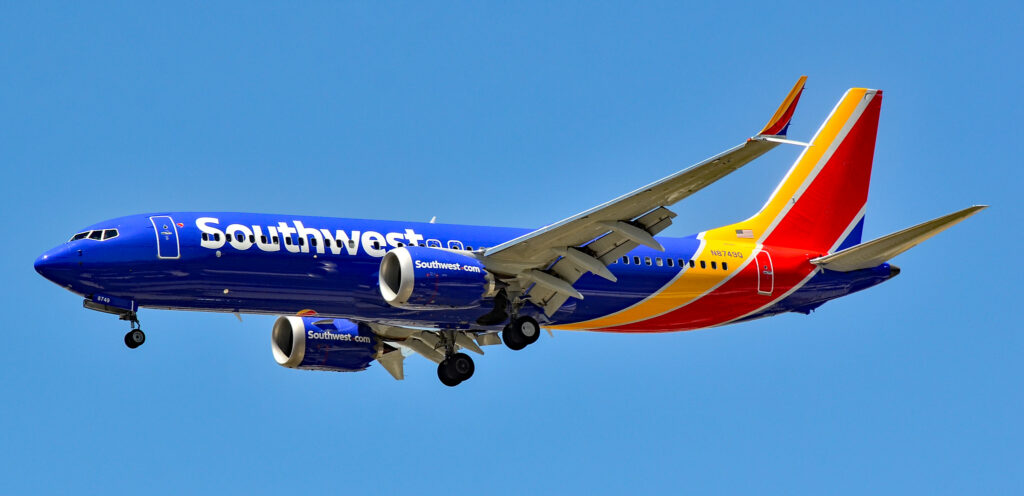
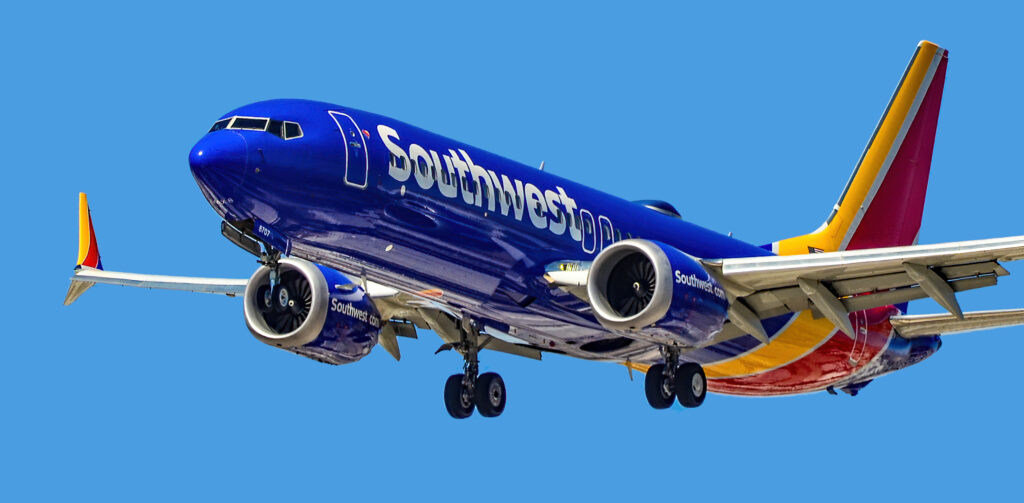
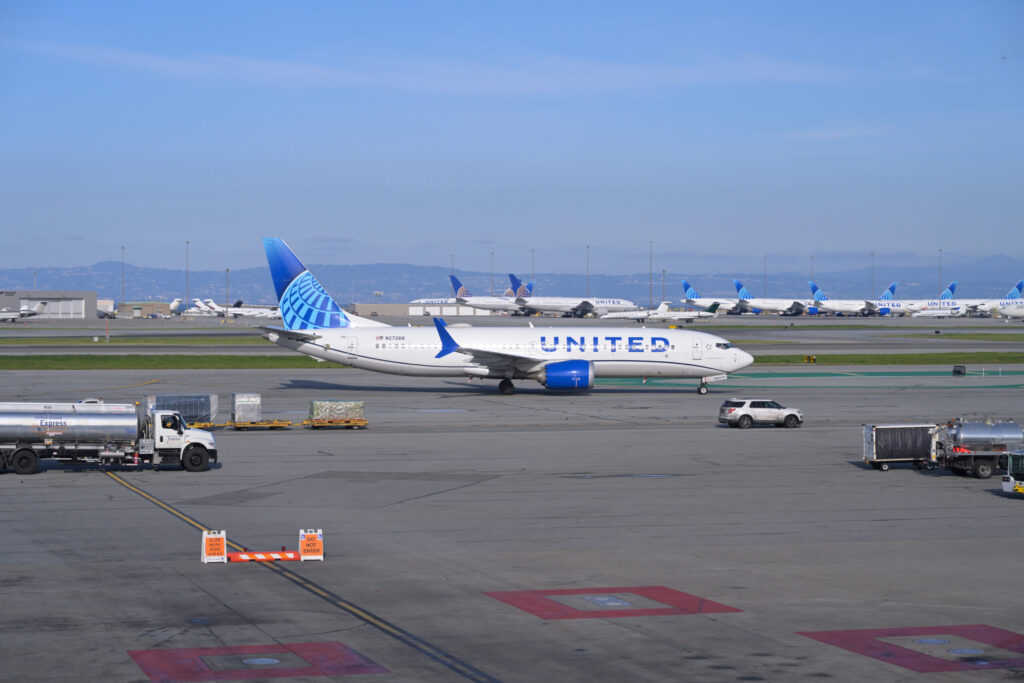
Crucially, the FAA stopped short of grounding anything. Large operators including Southwest and United have said they will roll the inspection into scheduled maintenance visits rather than pull jets off the schedule to do it. That is the difference between this order and the headlines it generated.
“Cracking in the fuselage skin and bear strap may lead to the inability of the principal structural element to sustain limit loads and adversely affect the structural integrity of the airplane.”
FAA airworthiness directive 2026-15936 — Federal Register, 6 Aug 2026
What A Bear Strap Is, And Why It Matters
The part at the centre of all this is called a bear strap. It is a metal reinforcement that wraps around a cutout in the fuselage skin, such as a door or an emergency exit, and carries the structural loads the opening would otherwise interrupt. Every pressurisation cycle, once per flight, puts stress through it.
The specific one under review sits at the upper-forward corner of the forward galley door cutout, on the right side of the fuselage just behind the cockpit. In the FAA’s words, cracking there could reduce the structure’s ability to carry its design loads. That is regulator language for a part that needs to be watched, not a part that is failing.
The FAA has mandated preventive inspections of the bear strap reinforcement on 471 US-registered MAX jets, and no cracks have been detected on the MAX fleet.
FAA Orders Structural Inspections for Boeing 737 MAX Fleet Over Potential Bear Strap Cracking.
— FL360aero (@fl360aero) August 7, 2026
Whether Your Flight Is Affected
Here is the line that matters for a UK traveller. The FAA directive is a US rule, and it binds the 471 jets on the US register directly. Your Ryanair or TUI aircraft is not on that register, so it is not covered by the FAA order itself.
That does not mean UK-flown MAX jets escape the checks. The same design carries roughly 1,429 aircraft worldwide, which leaves around 958 outside the US, and the European Union Aviation Safety Agency typically adopts an FAA directive of this kind for the aircraft flying in its own airspace.
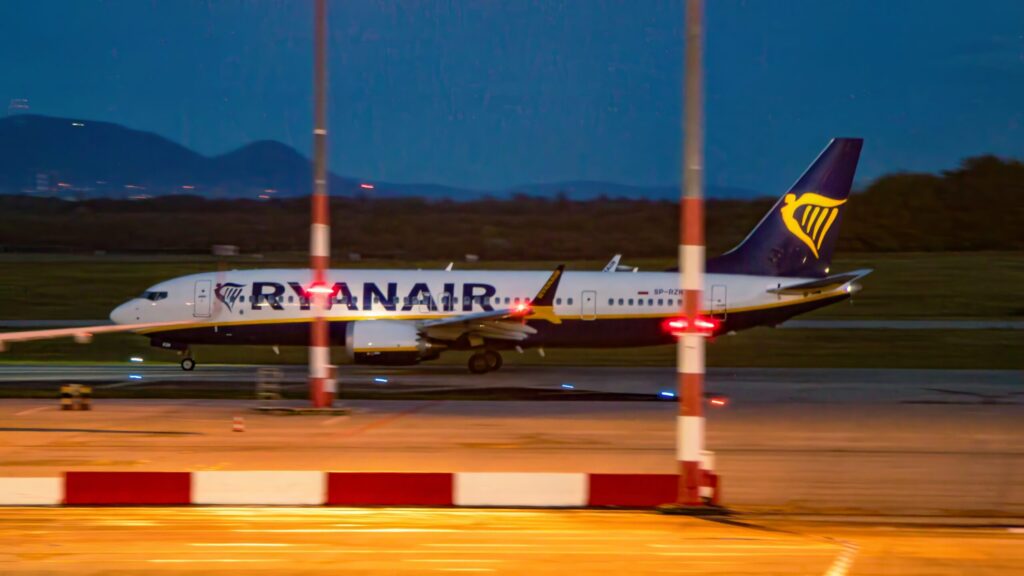
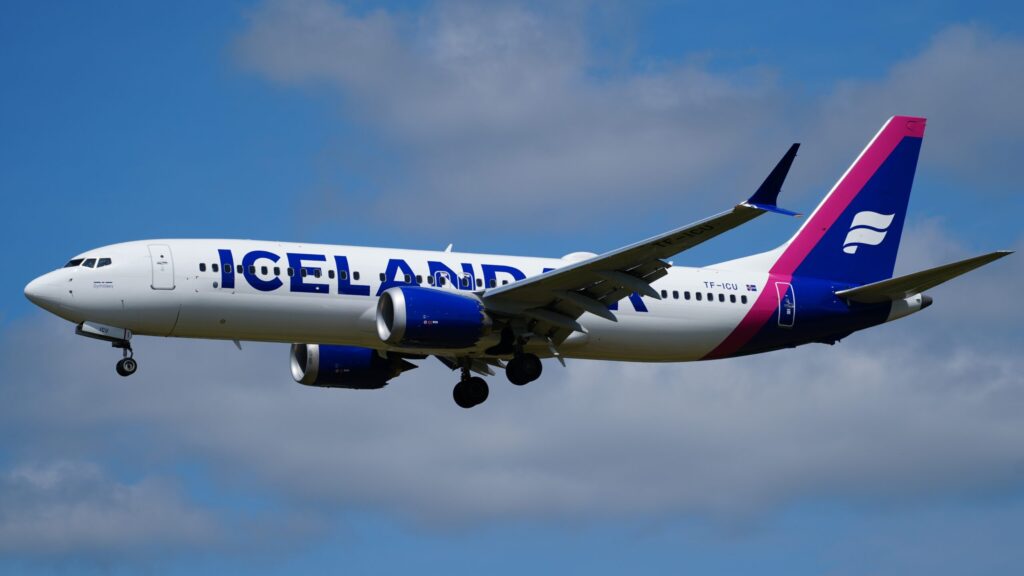
That is where UK travellers come in. Ryanair operates more than 200 of the 737-8200 named in the order, and TUI Airways flies the MAX 8 out of UK airports, so both fleets sit squarely in the design group EASA would mirror the rule for.
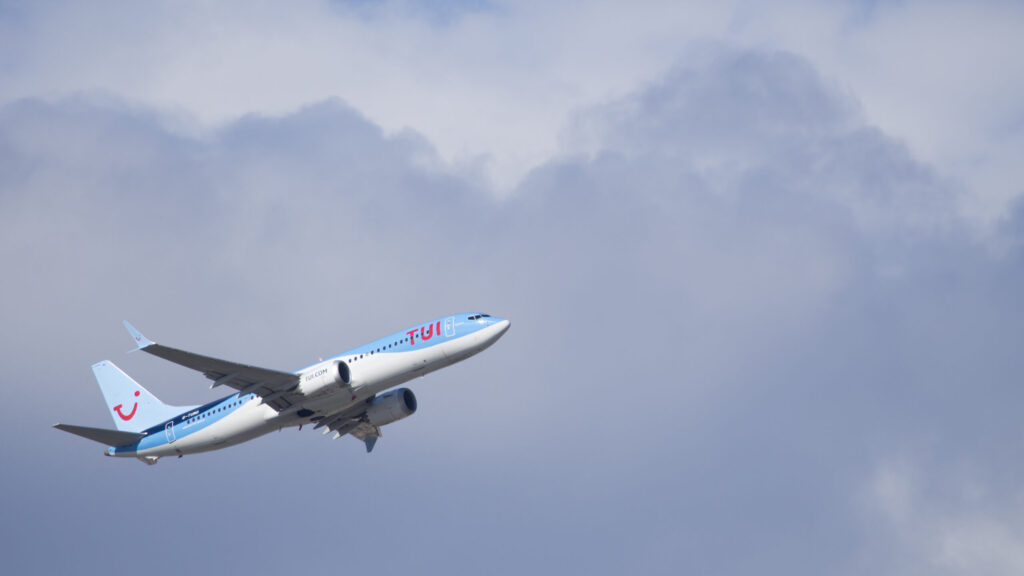
For a passenger, the practical answer is the same either way. There is no action to take, no flight to rebook, and no aircraft being pulled from service for this. The inspection happens on the ground, during maintenance you would never see, and the jet flies its schedule in between.
Why No Cracks Were Found But The Order Still Stands
The obvious question is how a regulator orders fleet-wide checks for a crack that has never appeared. The answer is the older 737 Next Generation, the model family that came before the MAX. Cracks did turn up in the bear strap on those jets, and the FAA mandated inspections for them after Boeing flagged the issue in 2019.
Boeing investigated the NG cracking and traced it to surface scratches accidentally created while removing sealant and adhesive during the bonding of the fuselage skin and bear strap. Those scratches, combined with the everyday stresses at the corner of the door cutout, shortened the part’s fatigue life and let cracks start early. The MAX is built with a similar design and process in that area, which is why the FAA judged it likely susceptible to the same condition.
This is damage-tolerance engineering doing its job. Boeing has said the inspections will give operators multiple opportunities to find and correct any problem before a crack could ever reach a length that matters. In plain terms, the regulator is acting on a known risk in an older cousin of your aircraft, years before it could become a passenger’s problem, rather than waiting for the MAX to prove the point.
The Other MAX Order Landing The Same Week
The bear strap order does not stand alone. On 27 July, the FAA proposed a separate directive covering 453 US-registered MAX jets after a report that some track-mounted passenger seats had been fitted incorrectly and could work loose in a hard landing or heavy turbulence. That one is still a proposal, and its public comment window closes on the very day the bear strap rule takes effect, 10 September 2026.
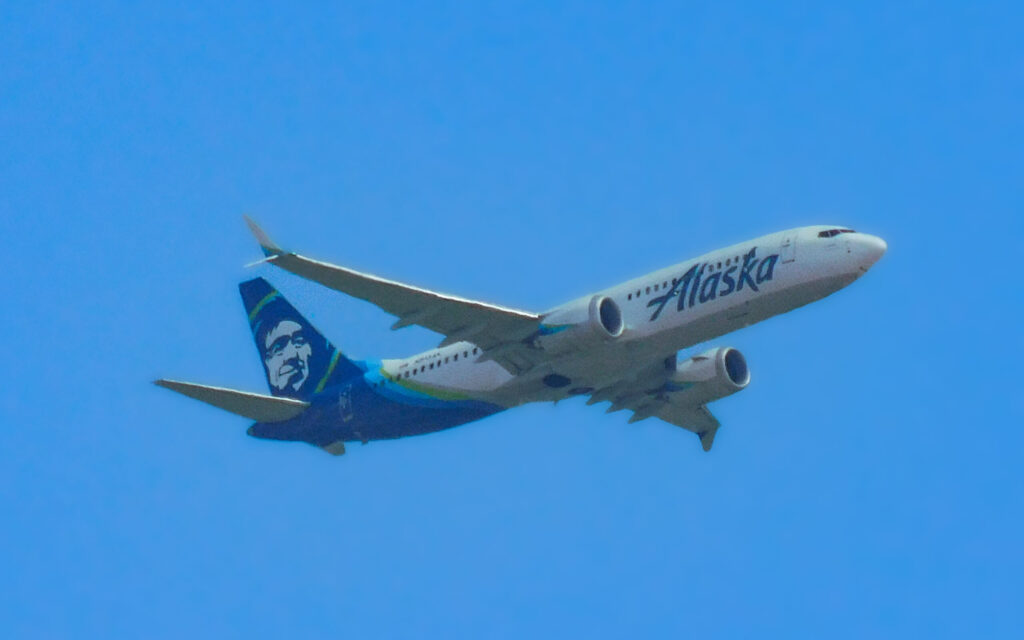
Two open directives in one summer looks worse than it is. Both are the aviation system catching manufacturing issues through paperwork and inspection rather than through incidents, and both arrive while Boeing sits under heavier scrutiny after the January 2024 door-plug blowout on an Alaska Airlines MAX 9. Ryanair has gone as far as stationing its own engineers inside Boeing’s US factories to watch deliveries.
“It reads like a rushed job to keep deliveries flowing and compete with Airbus, with safety and quality slipping. Boeing was once the most respected manufacturer there was.”
AeroTime reader — AeroTime comments, 28 Jul 2026
What It All Means For Your Booking
The takeaway holds through all of it. A directive that orders inspection without grounding is the system working as designed, not a warning to change your plans. The MAX keeps flying its schedule while the checks are worked in behind the scenes.
If your MAX flight is disrupted for an unrelated reason this autumn, your EU261 passenger rights are what to reach for, and our guide to claiming compensation after operational disruption walks through how that works in practice.