
As of 15 August 2026, the European Union has removed its launch date for ETIAS altogether. The much-delayed travel permit for visa-free visitors no longer has a target of late 2026, or early 2027, or any confirmed date at all. So do you need ETIAS in 2026? No, and for the first time nobody can tell you when you will.
If you have a European trip booked this year, you do not need to do anything, you cannot apply even if you wanted to, and you should not pay a penny to anyone who says otherwise. Your valid passport is all that is required for travel before ETIAS eventually goes live.
The turn in the story is what this indefinite delay has done to the scammers. Every week the launch slips, the fake “apply for your ETIAS” websites have longer to take money from travellers for a document that does not yet exist. That is the part of this story that should worry you.
The Key Facts
- No launch date the EU has removed its late-2026 target entirely.
- You need nothing now travel on your valid passport as normal.
- €20 when it does start not the €7 many articles still quote.
- 60+ fake sites flagged by ABTA, 100+ unofficial ones by Frontex.
- September meeting a revised timeline is expected next month.
What Has Actually Changed
ETIAS is the EU’s ESTA-style pre-travel authorisation, an online form and a fee that visa-free visitors from the UK, US, Canada and Australia will one day need before entering 30 European countries. Until now it always carried a date, most recently the last quarter of 2026. That date has gone.
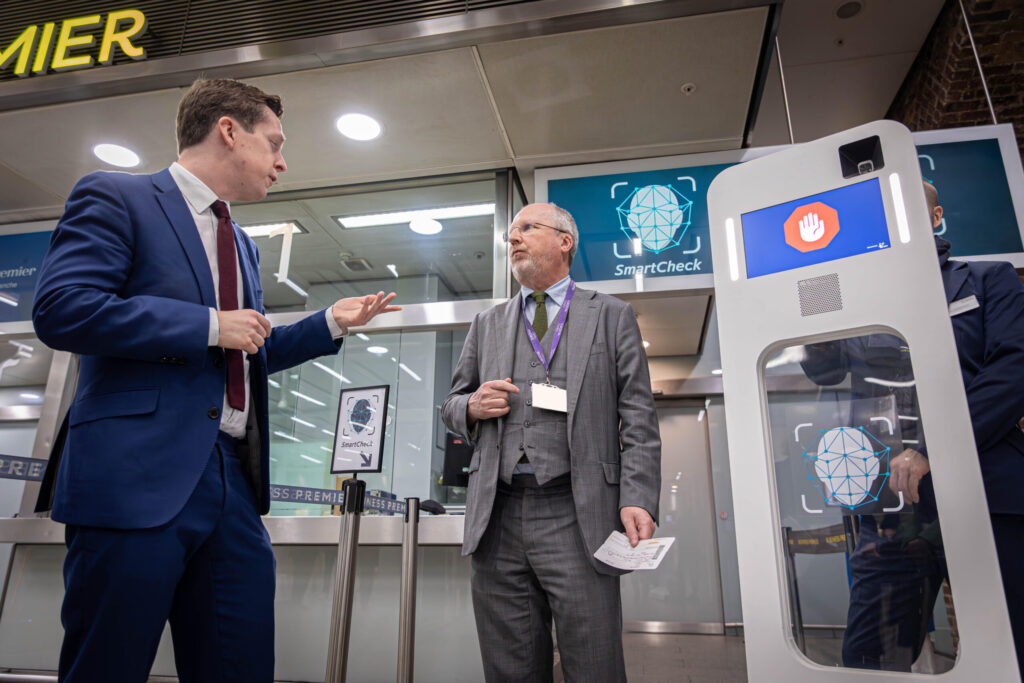
According to Euronews, the EU has pushed the rollout back indefinitely, and its own website now says only that travellers will be told the specific start date several months before it happens. The Financial Times had already reported that a 2026 launch was no longer feasible, with 2027 the more likely outcome.
The practical effect for you is nothing, and that is the point. There is no form to complete, no fee to pay and no box to tick before your next flight. Anyone telling you to act now is either mistaken or trying to take your money.
Why ETIAS Keeps Slipping
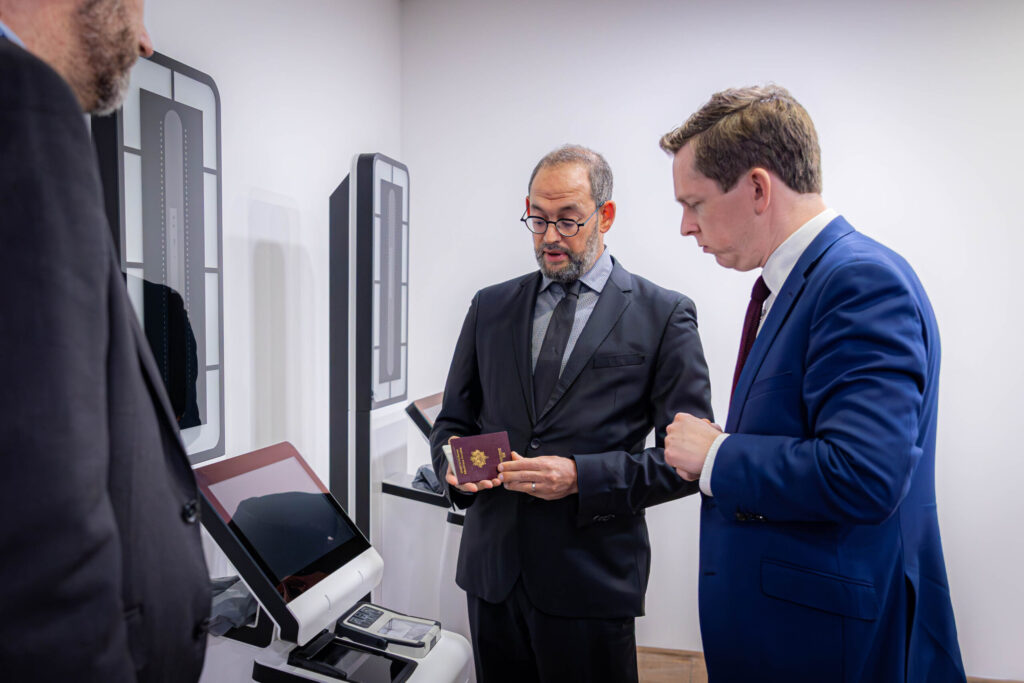
ETIAS does not stand alone. It was always meant to switch on a few months after the Entry/Exit System, the biometric check that replaces passport stamps with fingerprints and facial scans at the border. ETIAS relies on EES data to run its risk checks, so a shaky EES means a stalled ETIAS.
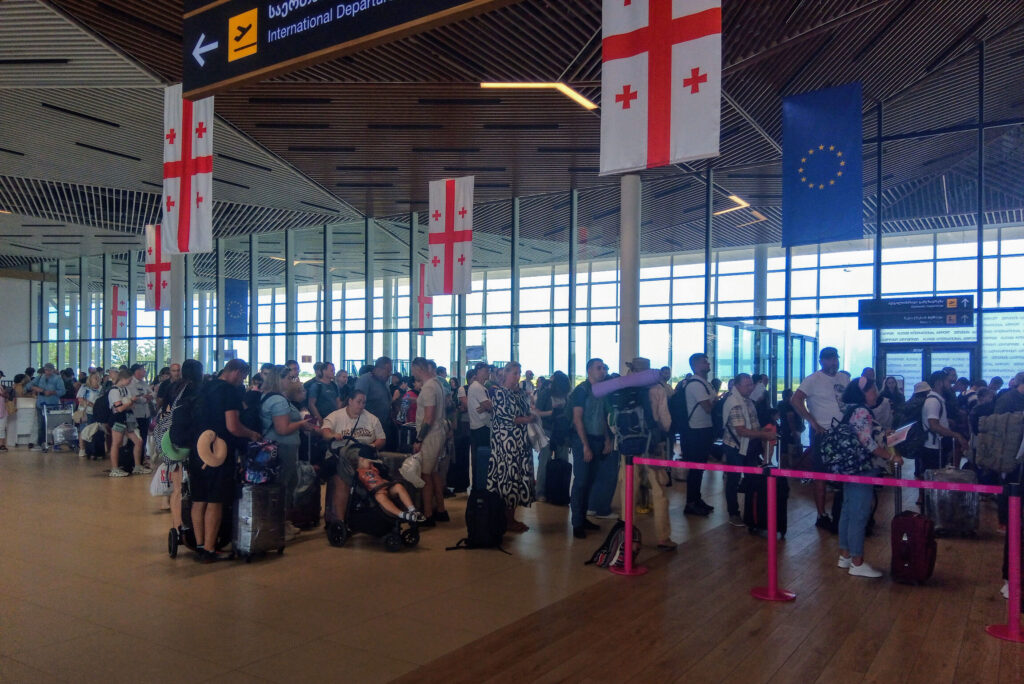
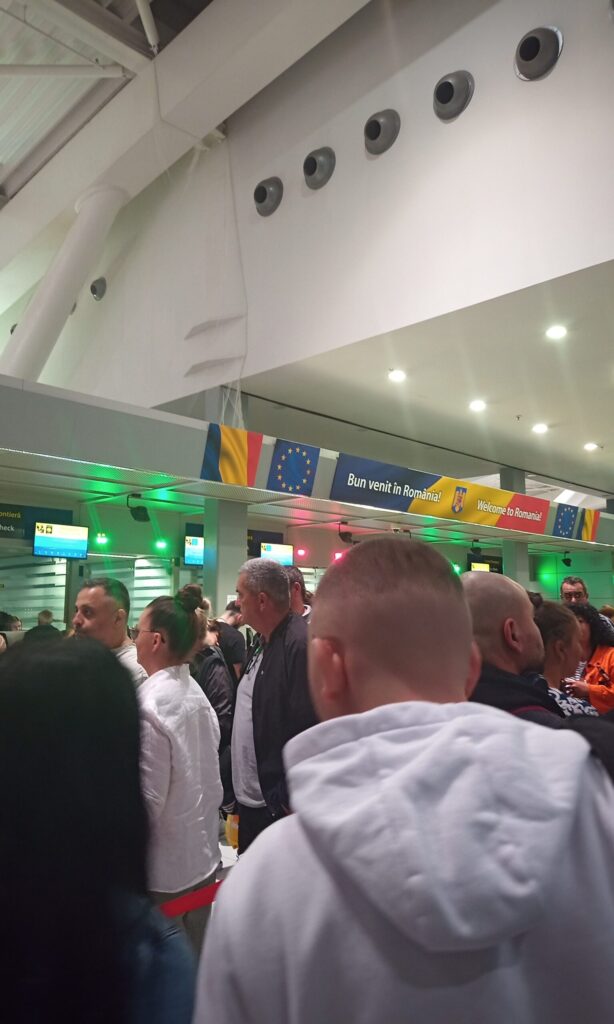
EES became fully operational in April 2026 after its own long delays, and the rollout has been rough. Airlines and airports have warned of long queues at peak times, and several countries have temporarily suspended the biometric checks when congestion built up. This is the mess ETIAS has been waiting on.
The next real marker is a meeting of the eu-LISA management board in September, after which a revised timeline is expected. Until then, treat any confident launch date you see online with suspicion, because even the officials running the project are not committing to one.
If the delay itself has caught you out, you are not alone. We covered the queues and the disruption behind them in our piece on the EU border delays, which explains why ETIAS was always going to be the second domino to fall, not the first.
What It Will Cost You When It Does Arrive
Here is the detail that trips up even well-prepared travellers. A great deal of coverage still quotes an ETIAS fee of €7. That figure is more than a year out of date. On 17 July 2025 the European Commission confirmed the fee at €20, citing inflation and the cost of running the system.
The gap matters once you do the sum. Four adults travelling together will one day pay €80 for their authorisations, not the €28 the old €7 figure implies. Children under 18 and travellers over 70 are exempt from the fee, so a family with young children pays less, but for a group of adults the charge is nearly triple what most people are braced for.
“The €7 fee that circulated in early coverage was revised up to €20 more than a year ago. If you have seen €7 mentioned recently, that figure is over a year out of date.”
Travel Tourister — ETIAS 2026 fee explainer, 20 Jun 2026
The authorisation, once live, will be valid for three years or until your passport expires, whichever comes first, and it covers unlimited short trips in that window. So €20 is a one-off across three years of travel, not a charge per visit. That softens the blow, but the headline number is still €20 a head, not €7.
The Scam Websites Already Taking Money
This is where the indefinite delay does real harm. The longer ETIAS sits in limbo, the more confusion there is to exploit, and fraudsters have moved in fast. Frontex, the EU border agency, says it has identified more than 100 unofficial websites offering ETIAS information, some of them run by outright scammers.
The UK travel association ABTA puts the number of fake sites claiming to sell the permit, which does not yet exist, at more than 60. Put those two counts together and the scale is clear: whether you call them unofficial or outright fraudulent, dozens of sites are ready to charge you for nothing.
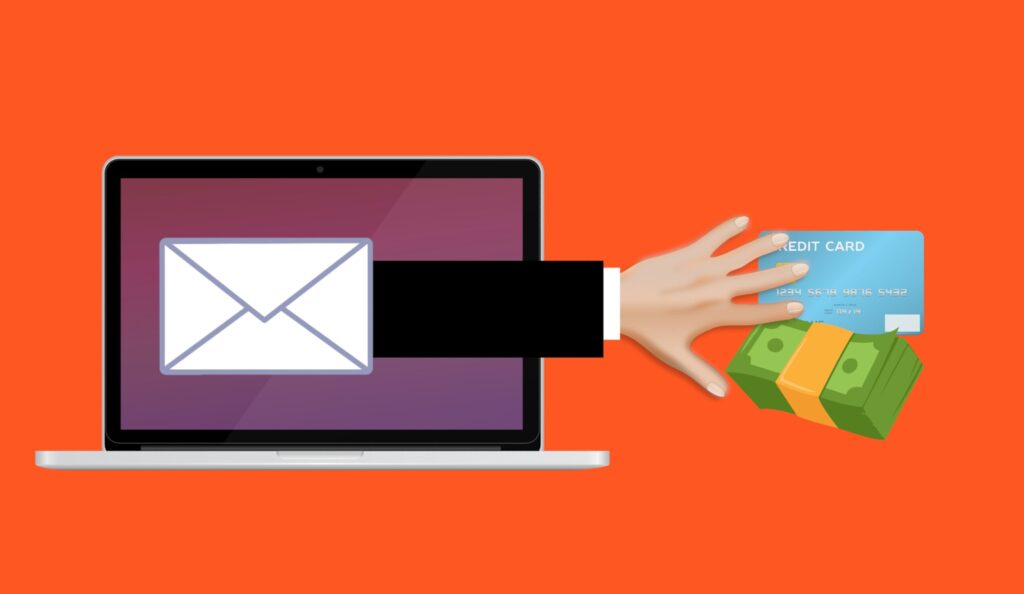
The damage is not only the fee. Fake sites often look professional, use official-sounding language and add invented “service” or “intermediary” charges that push the total to €50, €100 or more, all for a document that cannot be issued yet. Worse, handing over your passport details to one of these sites is a data-theft risk in its own right.
“People who try to apply for an ETIAS now may be at risk of fraud, with a loss of money and possibly personal data too. There is only one official site.”
Luke Petherbridge, ABTA — Majorca Daily Bulletin, 13 Aug 2026
Who Will Have to Pay, and Who Will Not
When ETIAS does finally start, it will not apply to quite everyone. The €20 fee is waived for travellers under 18 and over 70, though they still need an approved authorisation linked to their passport. Some family members of EU citizens are also set to be exempt from the charge.

It also does not cover the whole continent. ETIAS applies to 30 countries: the Schengen states plus Cyprus, along with Iceland, Norway, Liechtenstein and Switzerland. Ireland is the notable exception, so a trip to Dublin will never need one. And ETIAS is not a visa, so it does not change your visa-free status, only the paperwork before you fly.
What To Do Before It Launches
For now the job is simple: do nothing, and stay alert. There is no application to make and no advantage to jumping early, because early is not possible. When the EU does set a date, it has promised several months of notice, so you will have plenty of time to apply through the proper channel.
- Do not apply or pay now. ETIAS is not accepting applications from anyone.
- Bookmark the one official site. The genuine portal sits on the europa.eu domain, at travel-europe.europa.eu/etias.
- Ignore ads and social posts. Any app, link or agent offering ETIAS today is not legitimate.
- Budget €20 a head, not €7, for when it eventually launches.
- Watch for the September update from eu-LISA, which should set a revised timeline.
The one thing worth acting on this year runs the other way. If you are a European visitor coming to the UK, you do need a UK ETA now, which is a separate scheme entirely. For a British traveller heading to Europe, though, the message could not be simpler: keep your passport valid, and wait.
We saw a version of this passport confusion play out at the border already, when one traveller was denied boarding over a passport technicality. The lesson holds for ETIAS: check the official rule from the official source, and do not let a slick-looking website invent a requirement that is not there.
For the current official position and the eventual application form, the only place to trust is the EU’s own portal at travel-europe.europa.eu/etias. Everything else is noise, and some of it is a trap.