
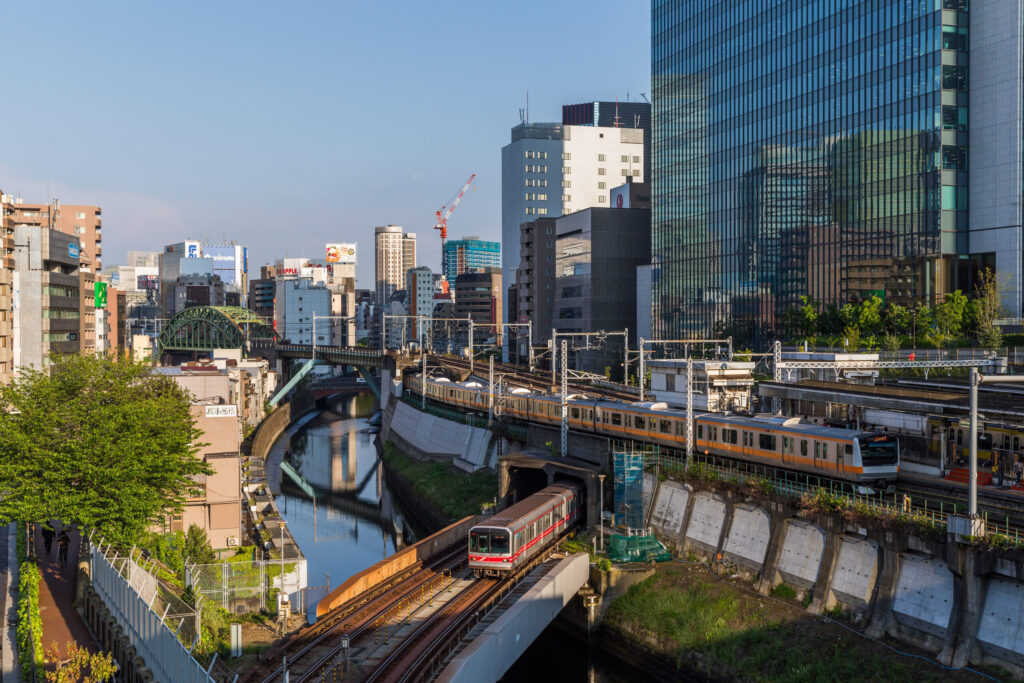
Tokyo has been named the best city in the world for Gen Z in Time Out’s 2026 ranking, with Portugal’s Porto second and Melbourne third. The list draws on responses from roughly 4,000 residents aged 18 to 29, filtered from Time Out’s larger annual Best Cities survey and cut to include only the top-scoring city in each country.
The Best Cities Gen Z 2026 ranking is published every August by Time Out with Intrepid Travel, and it does something the main list does not: it isolates the under-30 vote, then keeps only the top-scoring city per country. That single rule produces a very different top 20, and a genuinely useful one for anyone planning where to spend a long weekend.
This year’s shake-up is the story. Bangkok, which topped the inaugural 2025 Gen Z list, has been knocked down to tenth. Tokyo has climbed from fourteenth to first, and half of the top 20 spots are now in Europe, which puts more genuinely affordable city-break options on the table for UK travellers than the mainstream lists usually offer.
The Key Facts
- Tokyo #1, Porto #2, Melbourne #3 in Time Out’s 2026 Best Cities for Gen Z.
- 4,000 respondents aged 18 to 29 across 150 cities were surveyed.
- 10 European cities made the top 20, half of the entire list.
- Only 33% of Gen Z Tokyoites rate a night out affordable, despite the top ranking.
- Bangkok fell nine places, from first in 2025 to tenth in 2026.
What the ranking actually shows
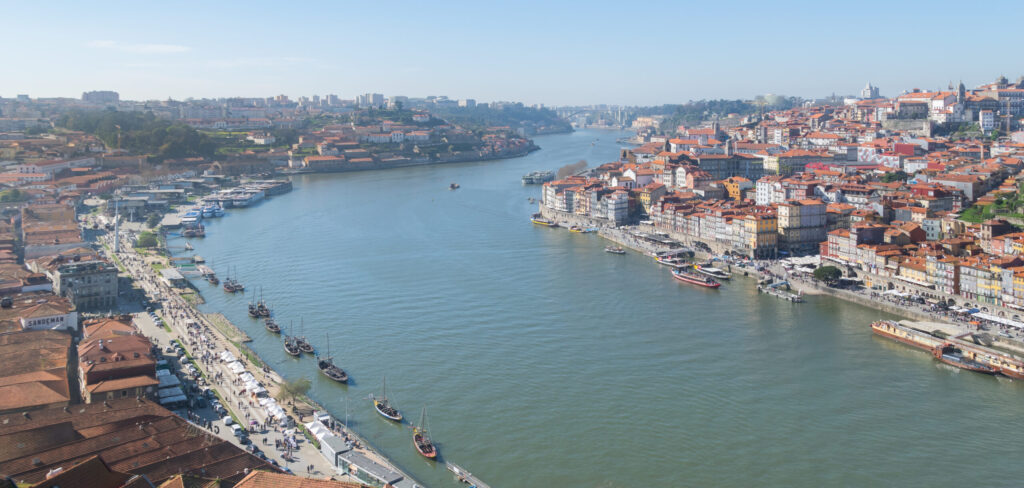
Tokyo scored the highest happiness figure of any city on the list, with every under-30 respondent surveyed saying they find joy in everyday experiences. Nightlife ratings were similarly strong at 89%, although only 33% considered a night out affordable. Porto came second on the strength of two perfect scores: every respondent rated its sense of community positively, and every one of them called the city beautiful. That is a rare consensus.
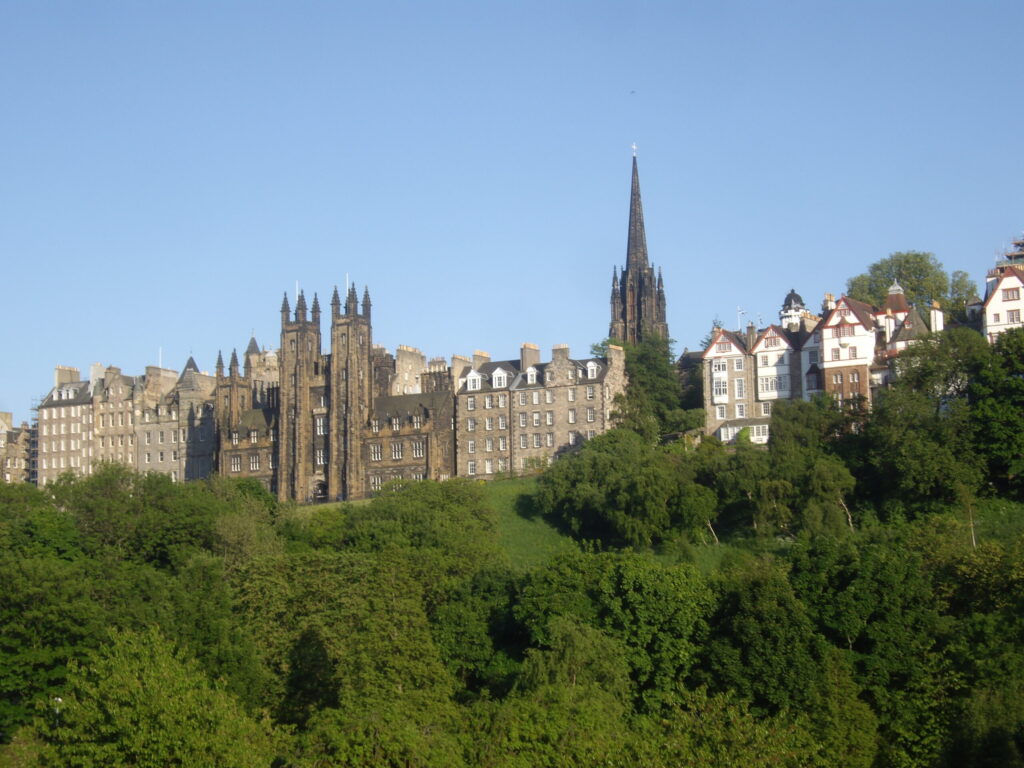
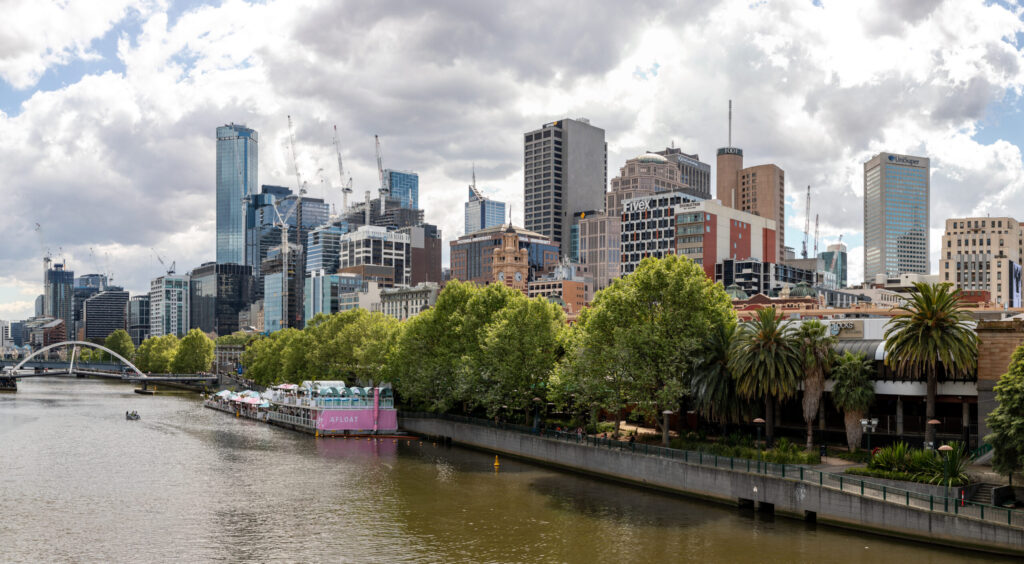
Melbourne, Time Out’s overall best city in the world for 2026, took third for young residents specifically, with a 100% restaurant approval rating and 97% for its cultural scene. Edinburgh followed at fourth, the top-ranked British city and the only entry in the top 20 that a majority of respondents (55%) actively described as safe. Shanghai completed the top five, standing out for sociability with 76% saying it is easy to meet new people.
How Time Out built this list
The Gen Z ranking is not a standalone survey. It is a filter applied to Time Out’s larger annual Best Cities poll, which asked more than 24,000 city residents and over 100 Time Out city experts what it is actually like to live, work and go out where they live. The final score combines 70% local sentiment with 30% expert evaluation.
For the Gen Z cut, only responses from people aged 18 to 29 were counted, which produced roughly 4,000 usable answers across 150 cities. Only the highest-scoring city in each country then makes the published top 20. That last rule is why the list reads differently from other city rankings, and why London does not appear even though thousands of Gen Z Londoners filled in the survey.
The numbers behind Tokyo’s win
Tokyo’s top spot rests on a wide base rather than any single standout. Time Out’s Shota Nagao points to walkability and public transport as covered basics, then to the city’s Welcome Youth programme, which gives free entry to selected exhibitions for anyone aged 18 and under every spring. He also notes the accommodation supply, which is not squeezed in the way London, Sydney or Paris now are.
“When it comes to what makes a city great for Gen Z, Tokyo has plenty of the important bases covered. As for nightlife, the options are virtually endless.”
“When it comes to what makes a city great for Gen Z, Tokyo has plenty of the important bases covered. As for nightlife, the options are virtually endless.”
Shota Nagao — Time Out — Best Cities for Gen Z 2026, 6 Aug 2026
Nightlife is the paradox here. 89% of Gen Z Tokyoites rated the scene positively, but only 33% called it affordable. That is the widest quality-versus-price gap in the top ten, and it is why so many under-30 locals lean on karaoke, 24-hour bathhouses and Spo-cha indoor sports centres, where a full night out costs a fraction of a club bill.
Porto’s community formula
Porto’s second place is the clearest data point on the list. Every respondent rated its sense of community positively, every one of them called the city beautiful, and 93% described it as affordable, particularly for eating out, drinks, and access to art and culture. Nowhere else in the top 20 hit two 100% scores.
Time Out’s Mariana Morais Pinheiro highlights the range: a river, the sea, gardens, and a UNESCO-listed old town, alongside cultural institutions with real accessibility. The Soares dos Reis National Museum waives entry fees on Sundays for Cidadão Card holders, and the Portuguese Centre of Photography is free every day. On top of that, low-cost carrier routes from most UK regional airports have held steady through Portugal’s recent airport disruptions.
Europe’s cheaper city-break alternatives
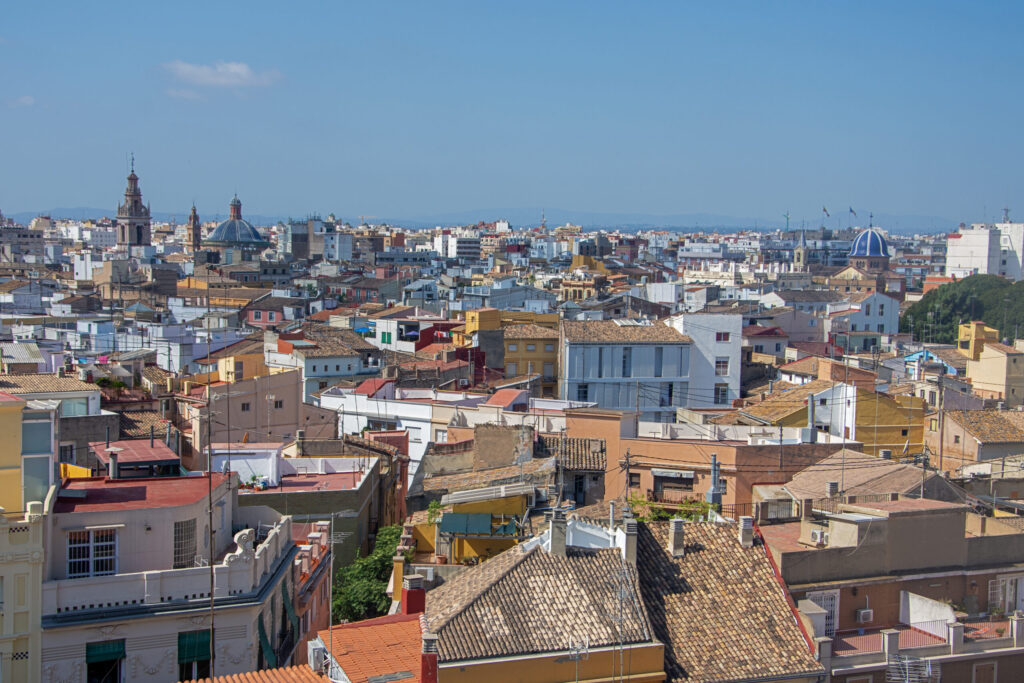
Read the top 20 as a substitution list and it becomes far more useful than a ranking. Every European entry has a bigger, more famous cousin that dominates the search results but did not make the cut, because only the top-scoring city per country was included. Lisbon was outscored by Porto. Rome by Naples. Prague by Kraków. Barcelona by Valencia. All four Time Out winners are cheaper, quieter, and much easier to book at short notice.
Naples ranks eleventh, and Time Out’s Federica Bocco notes that coffee is still €1 in the city, a takeaway pizza al portafoglio costs under €3, and a sit-down marinara pizza runs comfortably under €5. On the same scale, Rome’s centro storico charges two to three times as much for the same items, and Valencia’s cost-of-living numbers work out similarly against Barcelona.
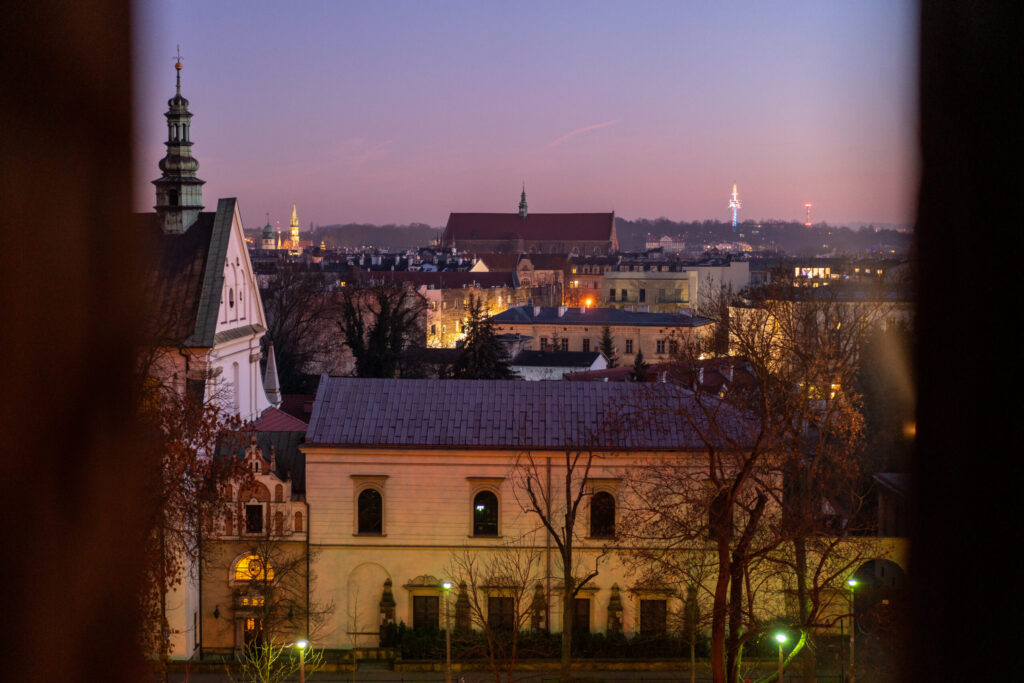
Kraków, at number thirteen, scored 95% on nightlife and 90% on walkability. The Old Town is UNESCO-listed, the shot bars around Rynek Square open until dawn, and a student ID gets you discounts across the city’s museums and cinemas. For a first Central European city break, it is the smart pick over its more crowded and more expensive Czech rival.
The surprises in the top 20
Two entries do not fit the usual pattern. Edinburgh, at fourth, is the top-ranked British city and the safest place in the entire top 20 by Time Out’s own measure: 55% of Gen Z respondents described it as safe. That is the highest figure on the list, well ahead of London, which did not qualify because Edinburgh outscored it, and it comes just after Edinburgh’s new tourist tax took effect in late July.
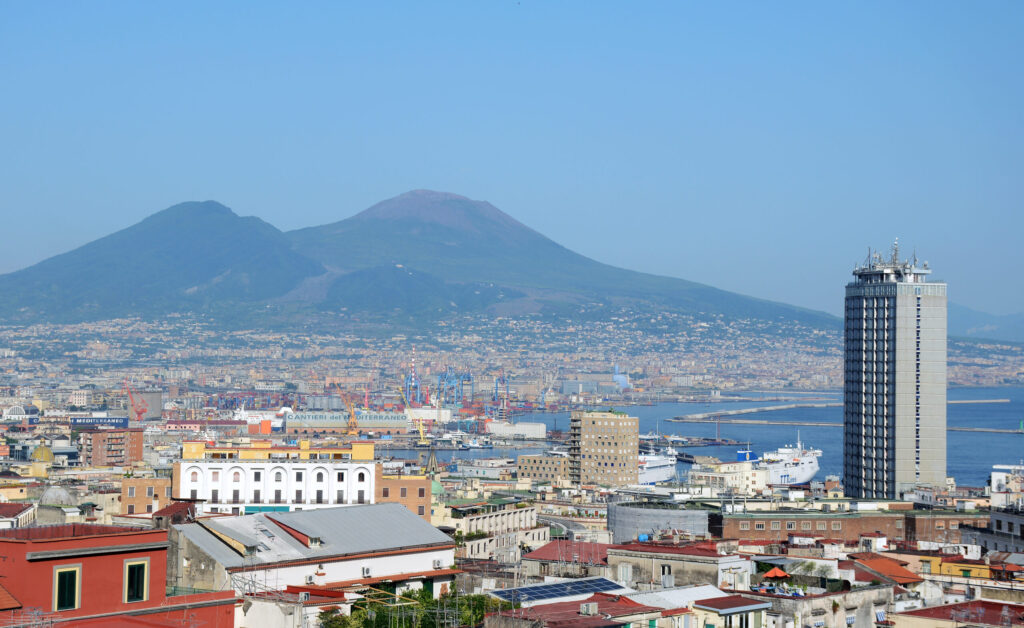
At the opposite end, Naples made the top 20 despite scoring 0% on safety. Nobody Time Out surveyed in the city described it as safe. It still ranked eleventh because 91% of respondents said the city makes them happy and every one of them described their fellow Neapolitans as positive. That trade-off is worth reading before you book, and it is exactly the kind of split we track in our own ranking of every country by travel safety.
What changed from last year
The year-on-year picture is where the ranking gets genuinely interesting. Bangkok won the inaugural Gen Z list in 2025 with an 84% happiness score and topped the affordability metric. In 2026 it has dropped nine places, to tenth. Cape Town has fallen from third to twelfth on a similar trajectory. Tokyo has climbed from fourteenth to first, a thirteen-place jump that no other city on the list matched.
“This ranking hones in on the forensic details which make each hub particularly liveable for under-30s.”
“This ranking hones in on the forensic details which make each hub particularly liveable for under-30s.”
Liv Kelly, Travel Writer — Time Out — Best Cities for Gen Z 2026, 6 Aug 2026
Shanghai has moved up five places to fifth, helped by a citywide young-people housing scheme that Time Out’s Sammi Sowerby says is adding 250,000 affordable rental units near subway stations. The city also scored 100% on both happiness and affordability of coffee and cinema tickets. That combination is rare on any global city ranking.
How to actually use this list
Time Out’s ranking is a snapshot of what young residents value about where they already live, not a travel guide. The gap between those two things matters. Tokyo scored top on happiness and worst-in-top-20 on nightlife affordability, so it works as a two-week trip but strains a long weekend budget.
For a September or October city break under £500 all-in from the UK, the European entries are the ones to book. Porto, Kraków, Valencia and Naples all have low-cost carrier routes from most UK regional airports, and hotel rates that hold up better than Lisbon, Prague, Barcelona or Rome for the same dates.