
From 24 July 2026, Edinburgh becomes the first city in the UK to charge a tourist tax on overnight stays.
If you have a summer trip to the Scottish capital booked, or you are about to book one, a new 5% charge is about to land on your accommodation bill.
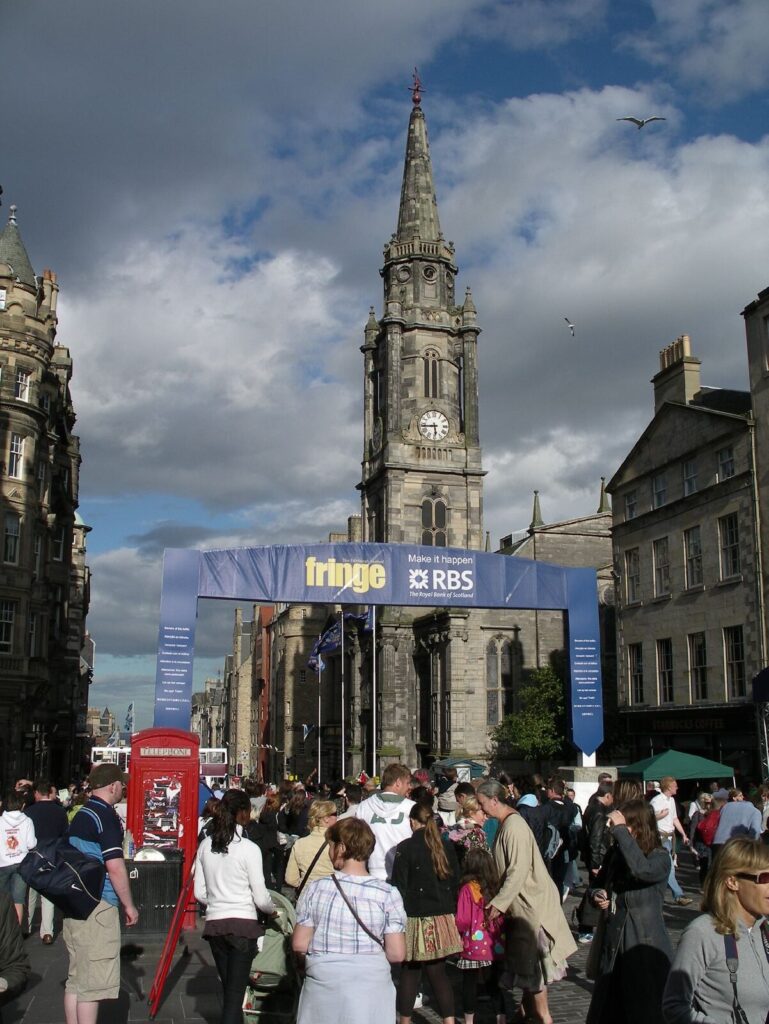
It is not huge, but it adds up, the rules around when it applies are fiddly, and the timing lands right on the doorstep of the Fringe.
The Key Facts
- 5% on accommodation charged on the room rate before VAT, from 24 July 2026.
- Capped at five nights you pay the levy on the first five consecutive nights only.
- A UK first Edinburgh is the first UK city with a statutory visitor levy.
- Booking date matters bookings made on or after 1 October 2025 are caught.
- Residents pay too UK and Scottish visitors are included, not just tourists.
What the Tax Actually Is
The Edinburgh Visitor Levy is a 5% charge on the cost of paid overnight accommodation anywhere inside the City of Edinburgh Council boundary.
It is calculated on the room rate before VAT, and it does not apply to extras like meals, drinks, parking or transport.
Crucially, it is capped at the first five consecutive nights of any stay. Book a week in the same hotel and you pay the levy on nights one to five, then nothing on nights six and seven.
Because it is a percentage, the more you spend the more you pay. Here is what that looks like in practice.
- A £150 hotel room: adds £7.50 per night, so £37.50 across a five-night stay.
- A £60 hostel bed: adds £3 per night, so £15 across five nights.
- A £500 luxury suite: adds £25 per night, so £125 across five nights.
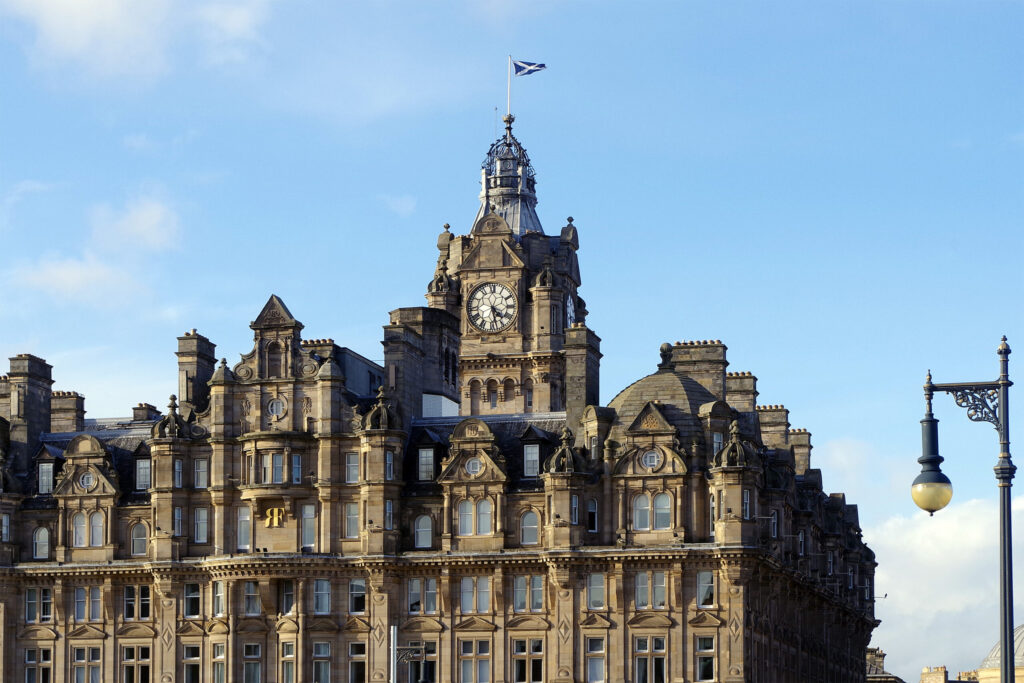
It applies to almost everything: hotels, B&Bs, guest houses, hostels, self-catering flats, aparthotels, short-term lets, and even campsites and caravan pitches.
The Council expects it to raise up to £50 million a year, which it says will go into services and infrastructure that visitors and residents both use.
The Booking Date Trap
This is the part that catches people out, so it is worth reading twice.
The levy applies to stays from 24 July 2026 onwards, but only if you booked on or after 1 October 2025.
If you booked and paid, even in part, before 1 October 2025, your stay is exempt, even if you are staying well into 2026.
So whether you pay does not depend only on when you go. It depends on when you booked.
What Travellers Are Saying
Reaction has been mixed, but a lot of seasoned travellers have shrugged it off as normal for a European city break.
They said most countries they had visited already do this, and they had never had an issue paying it.
Comment from r/Edinburgh
by u/Aggressive-Bison-838 in r/Edinburgh
They said they had paid some form of tourist tax in the last four European cities they visited and had no issue, since visitors use the city’s infrastructure.
Comment from r/Edinburgh
by u/Kingofmostthings in r/Edinburgh
Not everyone is happy, though. Some smaller and budget operators argue the charge has been extended to people it was never meant to hit.
“We were assured during early consultations that campsites would be exempt, but we have now been included, despite this being a budget choice for many of our guests.”
Linwater Caravan Park — Edinburgh tourist tax statement
What You Can Actually Do
You cannot dodge a statutory levy, but you can plan around it so it never catches you off guard.
- Budget 5% on top. Add the levy to your accommodation cost for the first five nights when you compare prices.
- Check the booking summary. Confirm whether the levy is already included or will be added at check-in, so there is no surprise on arrival.
- Use the five-night cap. One longer booking in the same place beats splitting a stay into two, because each new booking restarts the five-night count.
- Keep your confirmation. If you qualify for an exemption, you will need your booking confirmation and proof of payment to reclaim the levy.
- Compare tiers. Because the charge is a percentage, a cheaper room carries a smaller levy, which is worth weighing if you are choosing between options.
Who Is Exempt and What Happens Next
A defined group of people do not have to pay, though most have to pay first and then reclaim it from the Council.
The main exempt groups under the Visitor Levy (Scotland) Act 2024 include:
- People who are homeless or at risk of homelessness, or living in unsafe housing.
- People fleeing domestic abuse or other forms of violence.
- Recipients of certain disability benefits, including Personal Independence Payment and Attendance Allowance.
- Members of Gypsy or Traveller communities staying on dedicated sites.
Edinburgh is the first, but it will not be the last. Glasgow has a 5% levy starting on 25 January 2027, with Aberdeen, Stirling and others following.
In other words, the UK city break is quietly catching up with Europe, where these charges have been normal for years. You can read the full official detail on the City of Edinburgh Council visitor levy page.