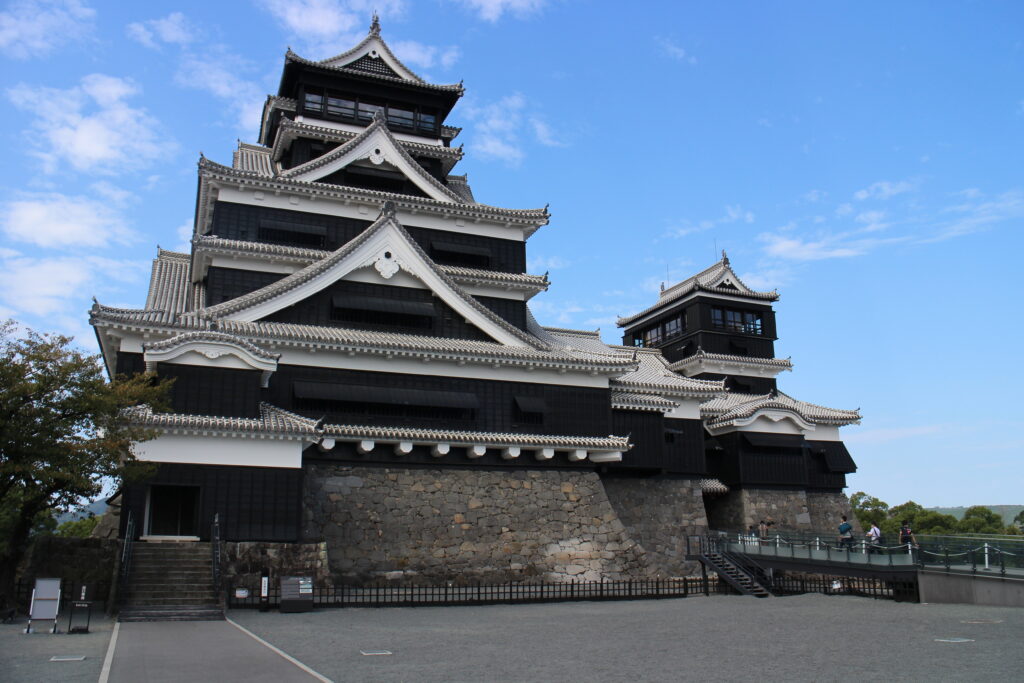
A major earthquake struck Kumamoto Prefecture on Tuesday afternoon, collapsing part of a shopping centre, damaging Kumamoto Castle and shutting down transport across Kyushu.
If your Japan trip includes Kumamoto, Mount Aso, Kurokawa Onsen or a run south to Kagoshima, it goes straight through the affected area.
Flights, bullet trains, expressways, buses and a ferry route all stopped on the same afternoon. Most of Japan is unaffected. Central Kyushu is not.
The Key Facts
- Magnitude 6.8 to 7.1 Japan’s JMA logged 7.1, the USGS later revised to 6.8
- Around 300,000 people told to evacuate with deaths and dozens of injuries reported by NHK
- Whole Kyushu Shinkansen suspended plus 12 conventional lines run by eight operators
- Kumamoto Castle and Aso closed stone walls collapsed at a site still rebuilding from 2016
- £0 back on an activated JR Pass its conditions exclude refunds for natural disasters
What Is Actually Happening
The earthquake hit at 16:27 local time on Tuesday 28 July, with an epicentre roughly 20km south of Kumamoto city. The Japan Meteorological Agency put the preliminary magnitude at 7.1, and the US Geological Survey later revised its own reading to 6.8. A tsunami advisory was issued for the Ariake and Yatsushiro coasts, then lifted without significant waves.
The most serious damage was at Kashima town, where part of the Aeon Mall collapsed and people were trapped inside. NHK reported deaths and dozens of injuries through the evening, and several workers were unaccounted for at a paper plant in Yatsushiro. Those figures were still moving overnight.
Japanese officials instructed roughly 300,000 people across the prefecture to move to evacuation centres, according to NBC News. Kyushu Electric Power reported around 40,000 homes losing power, a number later reported higher. KDDI and Docomo both flagged mobile service disruption caused by power loss and damaged transmission lines.
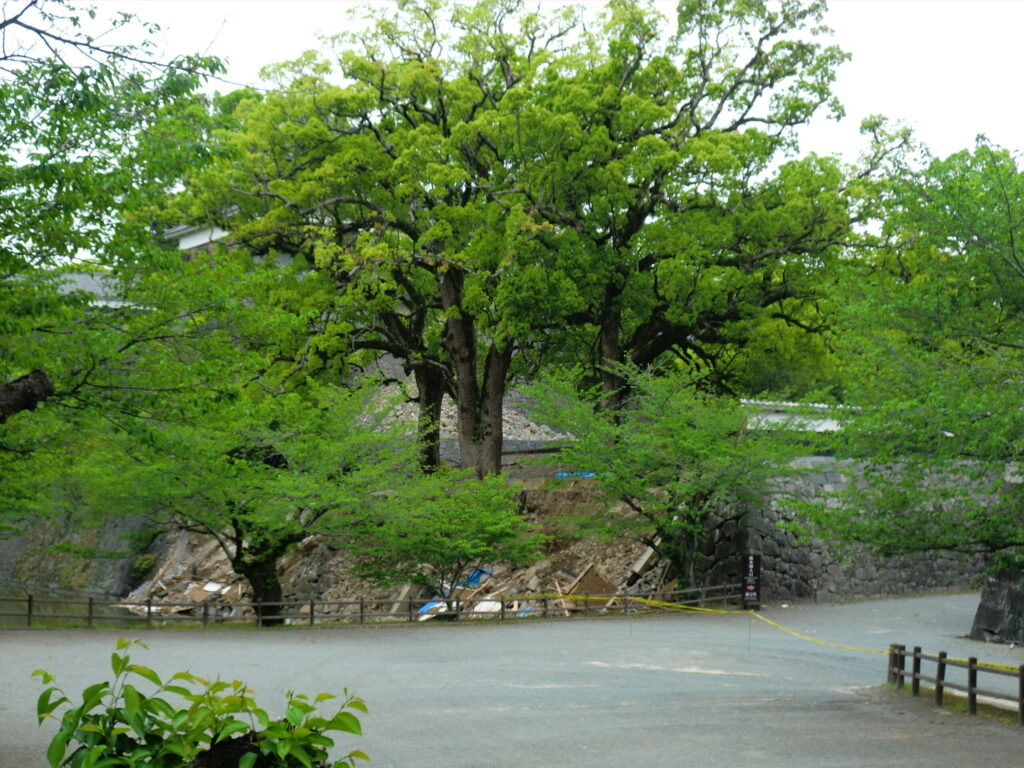
Kumamoto Castle, the city’s single biggest visitor draw, lost sections of stone wall and closed. Highway overpasses on the Kyushu Expressway at Yatsushiro buckled badly enough to trap vehicles. Emergency earthquake warnings covered seven prefectures across Kyushu, though the damage itself concentrated in Kumamoto.
Which Parts of Your Holiday Are Affected
This is the part worth being precise about, because the honest answer is narrow. Tokyo, Kyoto and Osaka sit hundreds of kilometres away and were not in the disaster area. If your itinerary stays on the Golden Route, nothing about your trip has changed.
Central Kyushu is a different story, and it is a region that sells almost entirely as a loop. The Fukuoka to Kumamoto to Aso to Kurokawa to Beppu circuit is what most operators package, and the earthquake landed in the middle of it.
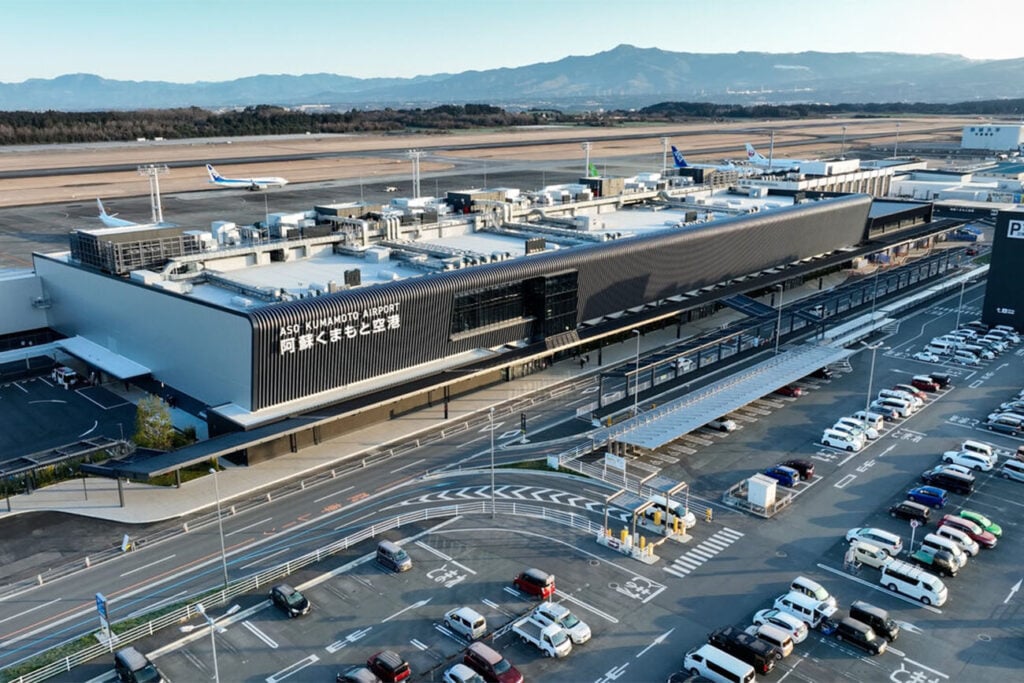
- Flights: Aso Kumamoto Airport closed its runway and cancelled all remaining flights on Tuesday, 29 in total. It runs international routes to Taipei, Kaohsiung, Seoul and Busan alongside domestic services.
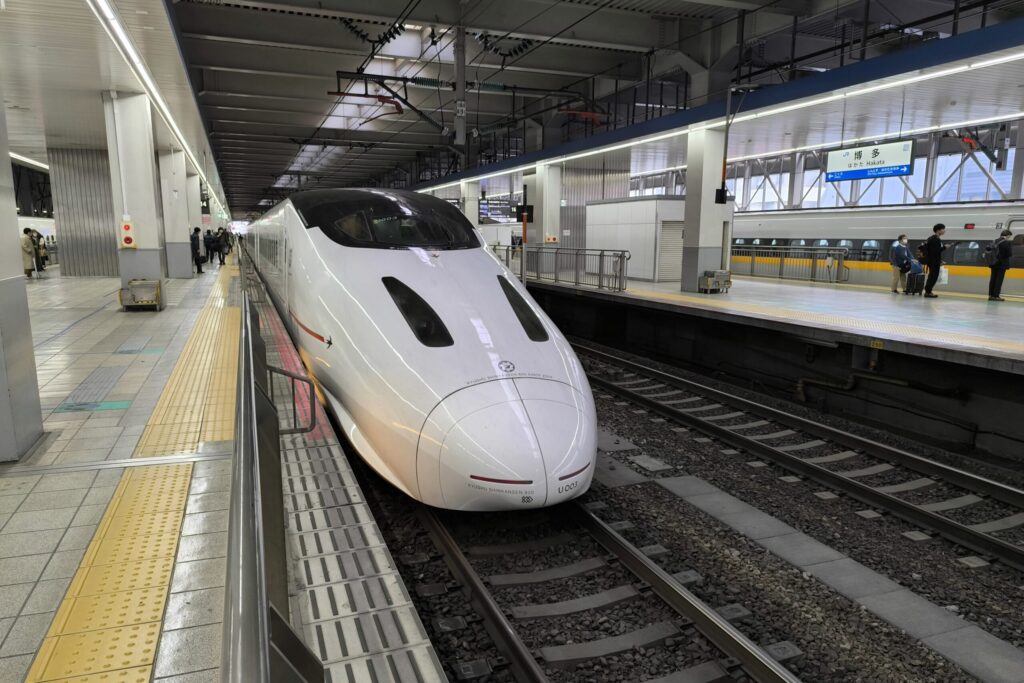
- Rail: the entire Kyushu Shinkansen suspended, cutting Fukuoka to Kumamoto to Kagoshima. The West Kyushu Shinkansen ran with delays. Twelve conventional lines across eight operators also stopped.
- Roads: NEXCO West closed multiple Kyushu Expressway segments, including Ueki toward Kurino and Yatsushiro Junction toward Hinagu. Hire car routings through the area are affected.
- Buses: JR Kyushu Bus cancelled all Tuesday and Wednesday services on three intercity routes linking Miyazaki, Fukuoka and Kagoshima.
- Ferries: one Kumamoto to Nagasaki sea route suspended, with a ferry bridge at Kumamoto Port left unusable and liquefaction reported at Yatsushiro Port.
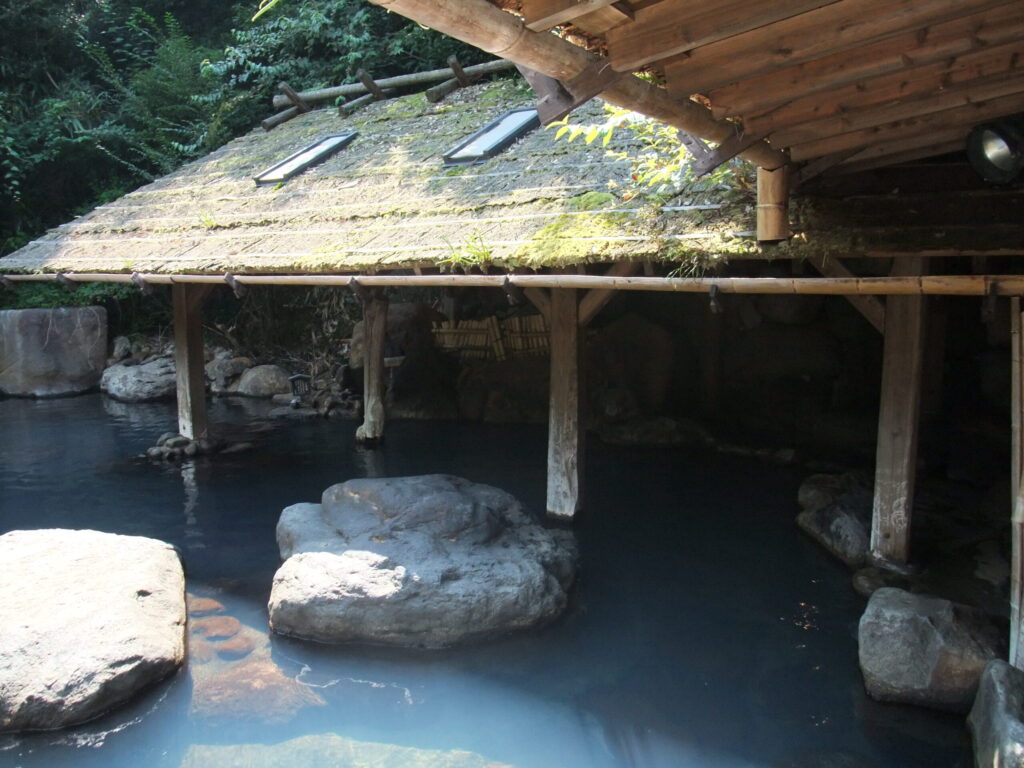
- Attractions: Kumamoto Castle closed until safety checks finish. Mount Aso tours and Kurokawa Onsen depend on the bus and road links now disrupted.
Water supply was interrupted in parts of the prefecture too, which matters for hotels and ryokan even where the buildings themselves are sound. Forecasters also expected temperatures near 35C on Wednesday, so waiting it out at a closed station is not a comfortable plan.
“Train lines in Kyushu have been suspended”
UK Foreign, Commonwealth & Development Office — reported by Travel Gossip, 28 Jul 2026
“all scheduled domestic and international flights have been cancelled”
Aso Kumamoto Airport statement — via The Travel, 28 Jul 2026
“An open runway therefore does not mean a usable itinerary”
Travelers Today — Kumamoto transport status report, 28 Jul 2026
What You Can Actually Do
The instinct after a headline like this is to cancel the whole Japan trip. That is almost always the wrong move, and it is usually the expensive one, because cancelling voluntarily forfeits far more than rearranging does.
- Check your exact leg, not the region. JR Kyushu publishes line by line status, and a systemwide snapshot tells you nothing useful about the specific train you booked.
- Treat the airport and the airline as separate questions. Use the airline’s flight status page as the final word, because a runway reopening does not mean your flight operates.
- If you are on a package, call the tour operator first. Under the Package Travel Regulations 2018 they owe you suitable alternative arrangements when a significant part of the package cannot be delivered.
- Contact hotels, ryokan and tour operators directly. There is no blanket waiver, and policies are being set property by property.
- Ask for any waiver in writing before you cancel anything yourself. Cancelling first and asking later usually costs you the fees.
If you are already in Kyushu and your onward leg has gone, Fukuoka is the sensible place to regroup. It reported no significant damage, it is the gateway most itineraries enter through anyway, and it has the hotel depth to absorb people waiting things out for a day or two.
What You Are Owed
This is where Japan differs sharply from a European disruption, and where a lot of travellers are about to get an unpleasant surprise. There is no equivalent of UK261 here, because UK261 governs flight cancellation and long delay on UK and EU journeys, not Japanese domestic transport.
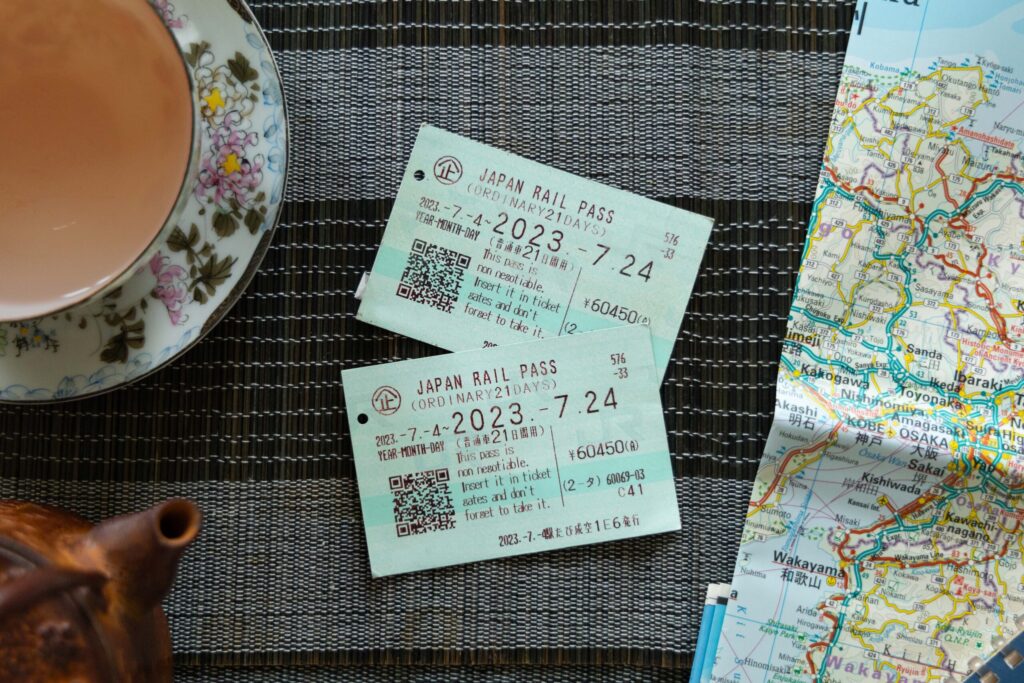
The JR Pass is the sharp edge. Its published conditions state that once the pass is activated, the validity period cannot be extended and no refund is issued, even when services are suspended by a natural disaster. The JR Group also declines to cover the alternative transport or hotel costs you incur as a result.
Your JR Pass Refund, In One Number
If your pass was already activated when the earthquake hit, the published conditions offer no refund and no extension.
Natural disaster suspensions are explicitly excluded from JR Pass refunds and extensions.
- Activated JR Pass: no refund, no extension, no cover for replacement transport under the published conditions.
- Unactivated pass or exchange order: usually refundable subject to a handling fee, but check your seller’s terms.
- Package holiday: the Package Travel Regulations 2018 put the duty on your UK operator to rearrange the affected portion.
- Hotels and tours: no automatic right to a refund, so negotiate directly and get the outcome in writing.
- Travel insurance: only if the policy was bought before 28 July, when this stopped being an unforeseen event.
That insurance point matters more than any other. Buying cover now will not help with this earthquake, because insurers treat it as a known event from the moment it happened. Insurers also do not pay for disappointment, so a closed castle is not a claim. A cancelled train or flight you can evidence is.
Because the FCDO has not advised against travel to Japan, only flagged the transport disruption, the advise against travel trigger that normally activates cancellation cover does not apply. Check the current wording on the FCDO Japan travel advice page and the pass terms on the official JR Pass conditions of use.
Why This Keeps Happening
Kumamoto has been here before, recently enough that the recovery was still visibly unfinished. The 2016 sequence brought two intensity 7 earthquakes 28 hours apart, killed 275 people, injured 2,739 and damaged or destroyed more than 198,000 homes, according to Kumamoto Prefecture.
Kumamoto Castle became the symbol of that recovery, and its restoration was scheduled to run until 2052. The walls that came down on Tuesday belonged to a structure still being rebuilt from the last time. Watching that happen twice in a decade is a hard thing for the city.
The geology explains the repetition. Kumamoto sits where the Japan Median Tectonic Line splits at the Beppu-Haneyama Fault Zone, and the 2016 ruptures ran along the Hinagu and Futagawa faults beneath the same ground. Japan accounts for roughly a fifth of the world’s magnitude 6.0 or greater earthquakes.
None of that makes Kyushu a place to avoid. It makes it a place where the transport network is built to stop itself, inspect and restart, which is exactly what it did on Tuesday. Live terminal and flight status is published on the Aso Kumamoto Airport site.
If your trip touches central Kyushu in the next week, check every leg separately, keep your evidence, and give the region a few days before writing the whole thing off. The rest of Japan is running exactly as normal.